Solar battery basics

Solar battery: storing your own generation for later

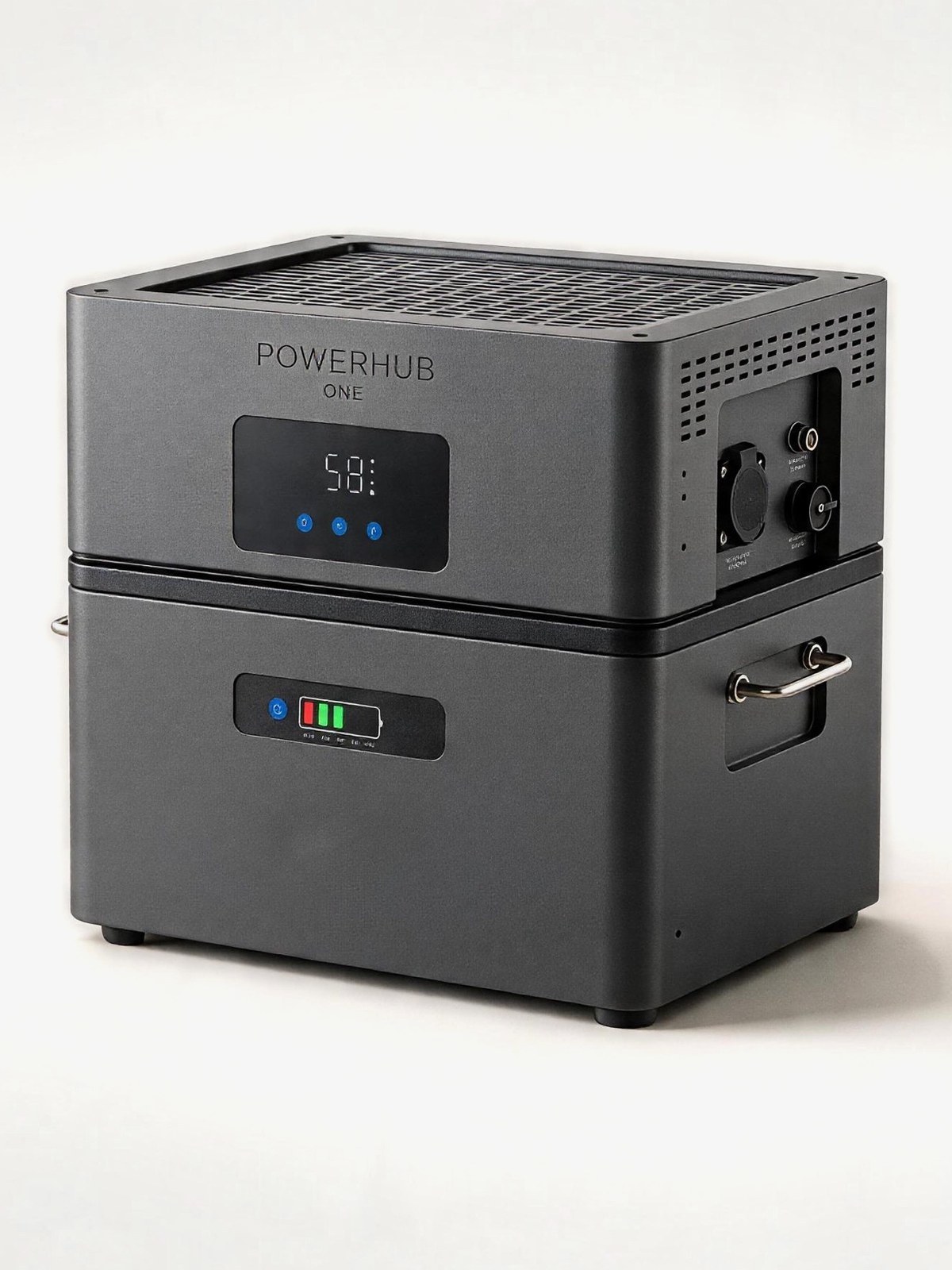
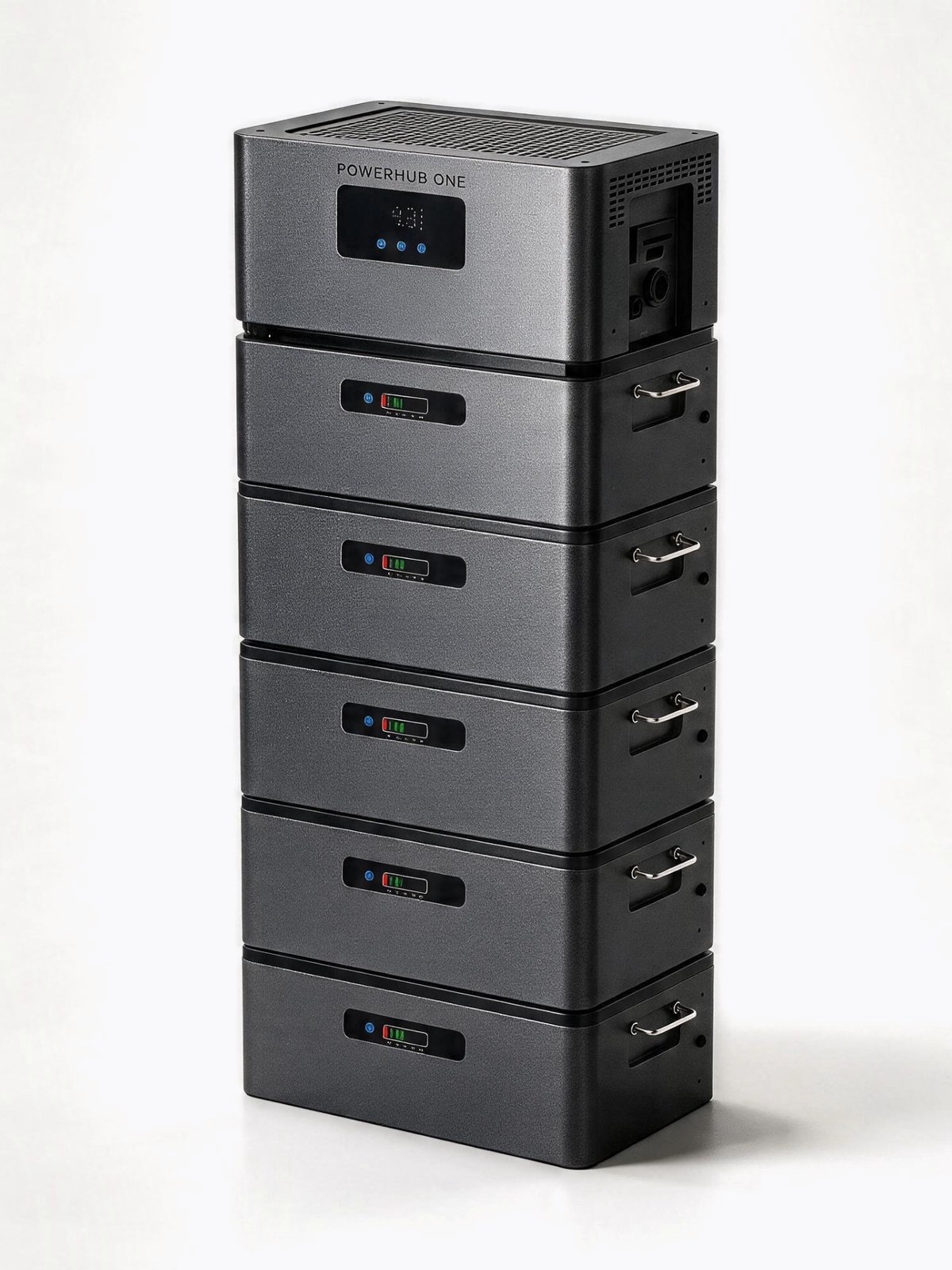
A solar battery keeps generation that your home does not use at the moment it is produced. PowerHub ONE is AC-connected and modular across 2.4 to 12.0 kWh, with published prices from €1,199 to €3,499.

What is a solar battery?

It is a battery that stores surplus solar electricity so the household can use it later. An AC-connected battery works alongside the existing solar inverter instead of replacing it.

Modular range

Five configurations, one platform

Capacity and prices come from the central product record.

PowerHub ONE 2.5

PowerHub ONE 2.5

2.4 kWh

€1,199

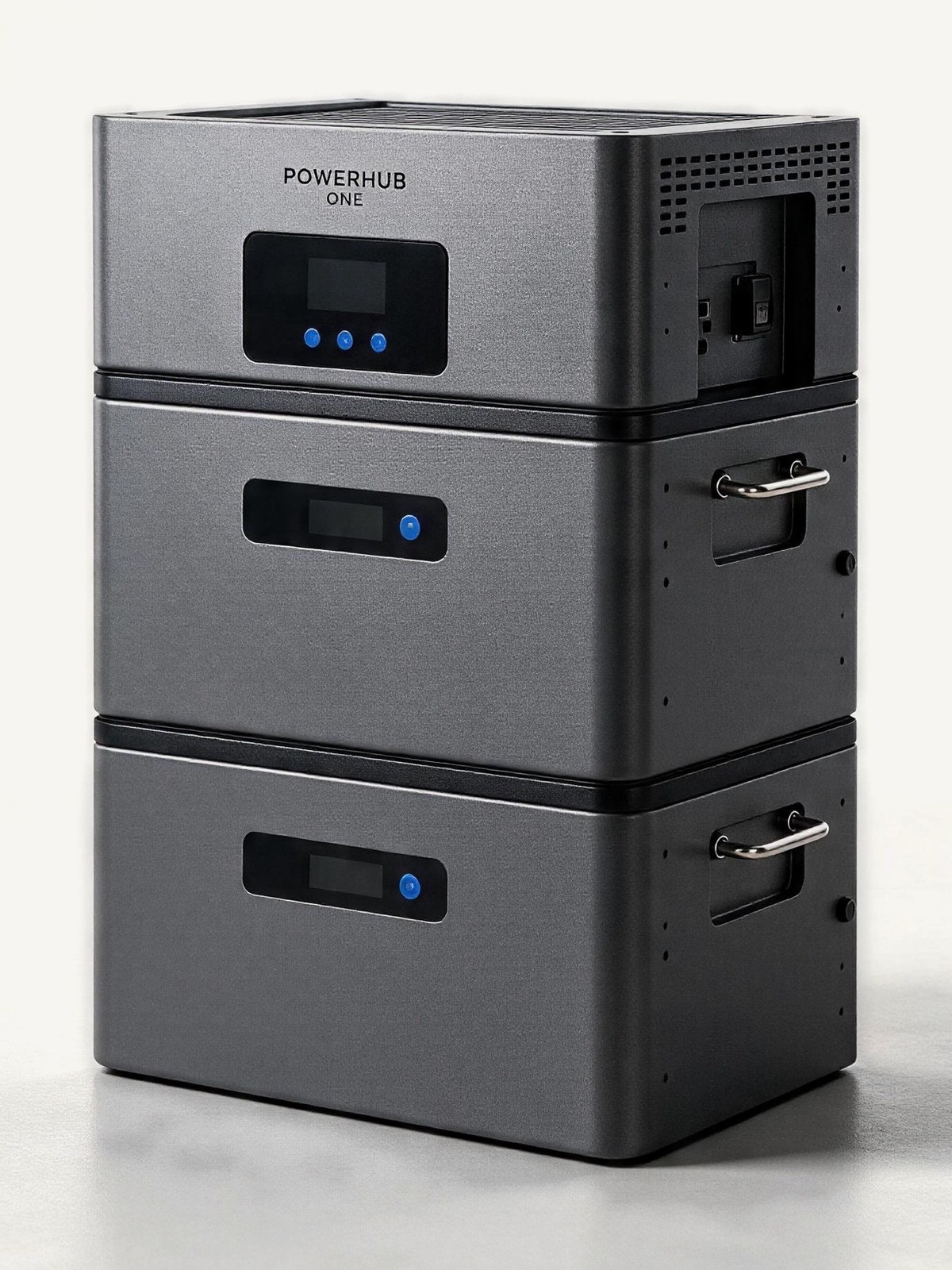
PowerHub ONE 5

PowerHub ONE 5

4.8 kWh

€1,849

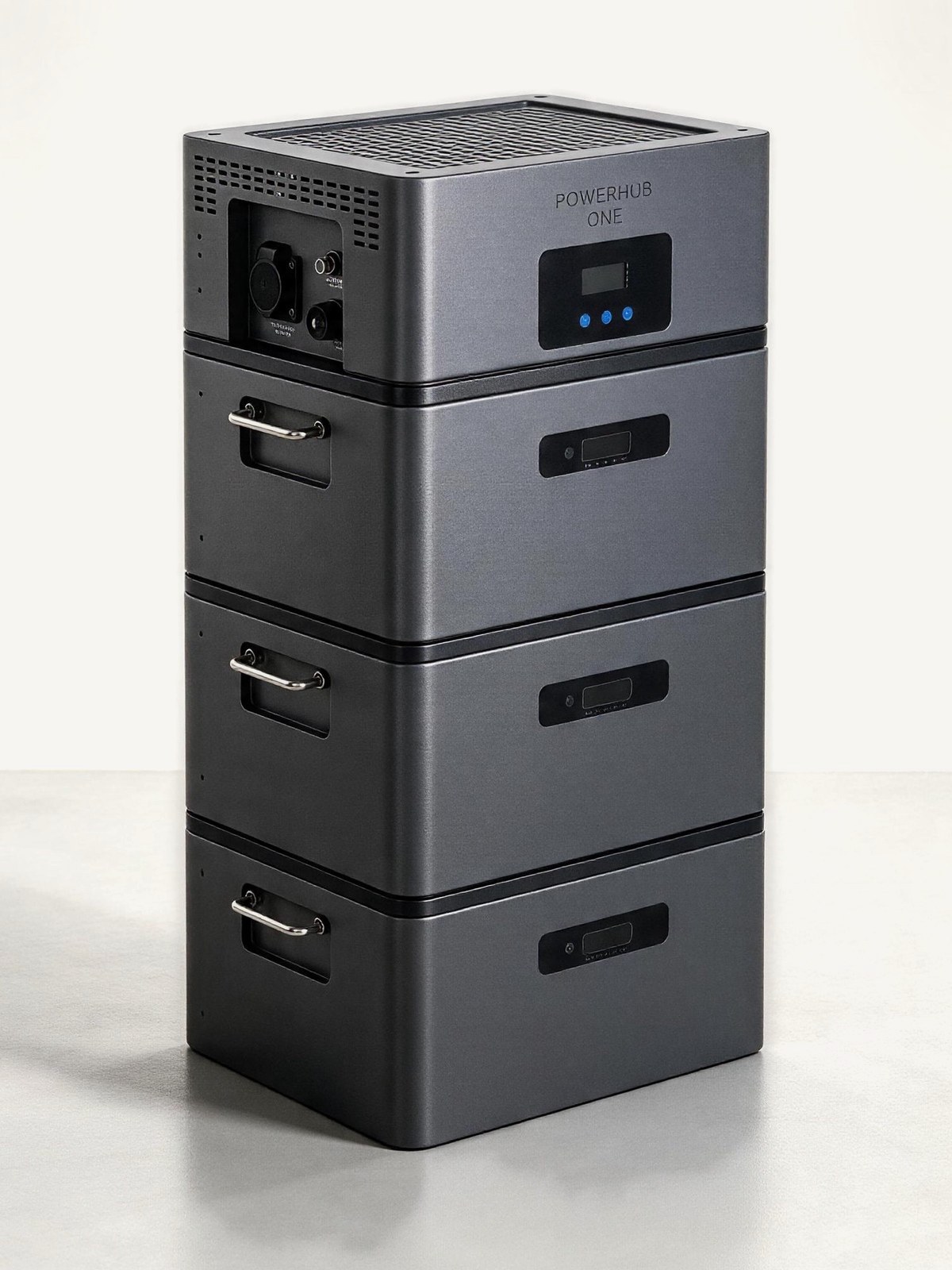
PowerHub ONE 7.5

PowerHub ONE 7.5

7.2 kWh

€2,499

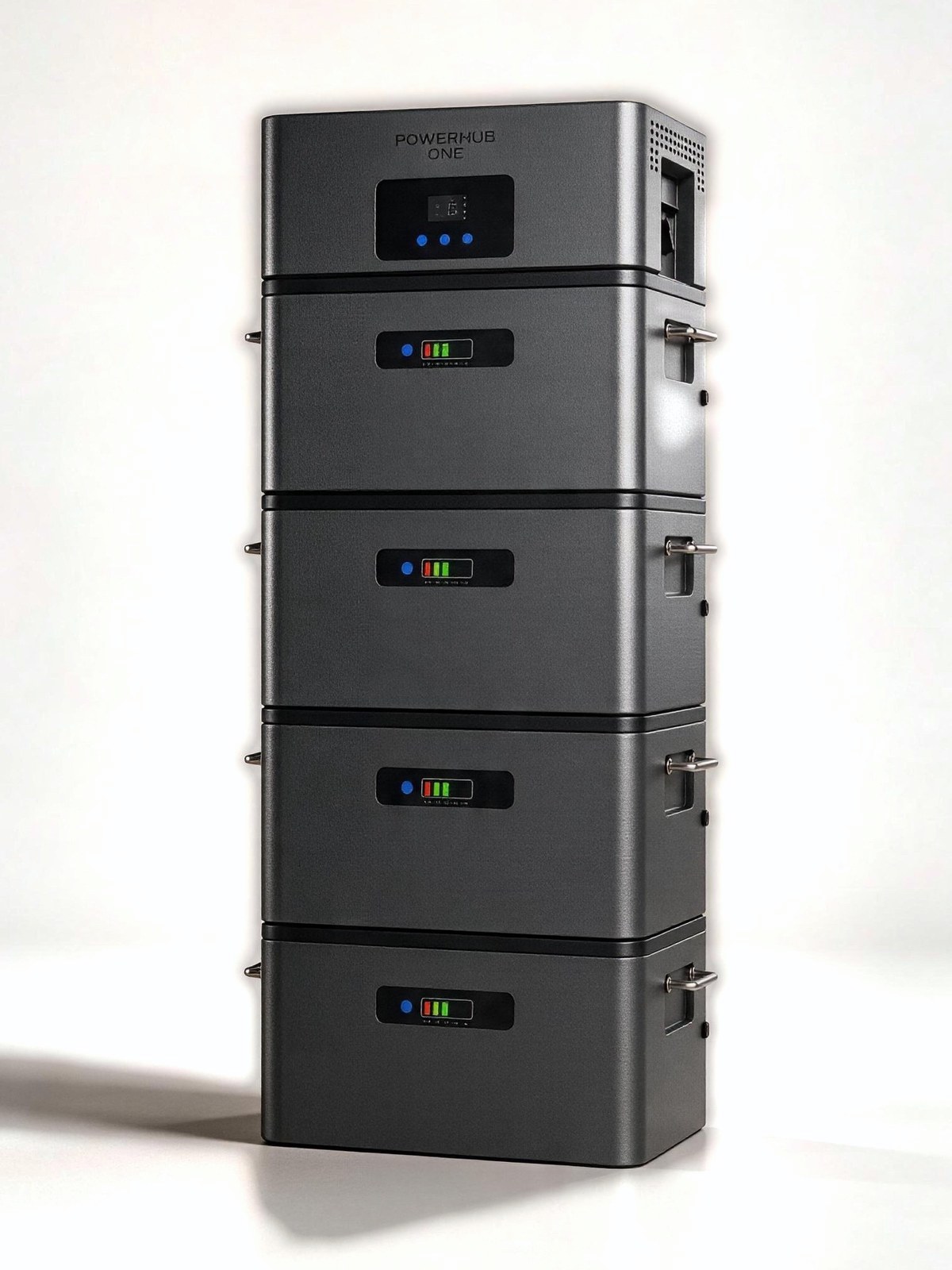
PowerHub ONE 10

PowerHub ONE 10

9.6 kWh

€2,999

PowerHub ONE 12

PowerHub ONE 12

12.0 kWh

€3,499

Surplus sets the limit

A battery can only store the generation that is genuinely left over. Check hourly export data before choosing capacity.

AC-connected

PowerHub ONE works on the household AC side, so the existing solar inverter stays in place.

Modular capacity

Five configurations cover 2.4 to 12.0 kWh using 2.4 kWh modules, so capacity can grow later.

Published warranty framework

The warranty framework covers 10 years, 6,000 cycles and at least 70% remaining capacity under the published warranty conditions.

In depth

What to know before you decide

What a solar battery changes in practice

A solar battery stores the part of your solar production that the house does not use at that moment, so it becomes available in the evening instead of being exported. It does not increase how much your panels generate; it changes when that energy is consumed.

The realistic size of a solar battery follows your export data, not the kWp on your roof. Two homes with identical panels can need very different capacities because their consumption patterns differ.

Solar battery and connection mode

PowerHub ONE connects on the AC side, so the existing solar inverter keeps working. Standard mode operates up to 800 W through a suitable 230 V outlet, while the documented setup on a dedicated circuit reaches up to 2.4 kW peak.

Modular 2.4 kWh blocks let you begin with the capacity your export data supports and expand later if consumption, an electric vehicle or a heat pump changes the picture.

Comparing solar batteries without marketing labels

Most solar batteries are compared on the rounded name on the box. Use the actual kWh figure instead: PowerHub ONE 5 holds 4.8 kWh and PowerHub ONE 10 holds 9.6 kWh, and the same honesty check is worth applying to every product on your shortlist.

Then compare power together with its connection conditions, the metering solution, the expansion path and the published warranty framework. Solar batteries with identical capacity can differ significantly once those four points are on the table.

Next step

Explore PowerHub ONE, the modular home battery

Five configurations, prices and the published warranty framework on one page.

Customer reviews

What customers say about PowerHub ONE

We only publish reviews from customers who actually bought and used the product. As long as there are no reviews, no score is shown here — we never invent one.

No reviews yet

Once customers have their PowerHub ONE in use, we invite them to share their experience and the average appears here.

Already using a PowerHub ONE?

Customers receive a personal invitation after delivery. Every review is published unchanged, including critical ones.

Frequently asked questions

Answers for an evidence-based decision

No. A battery can also shift grid electricity between hours when your tariff has useful price differences.

No. An AC-connected battery is added alongside the existing solar inverter.

Published PowerHub ONE prices run from €1,199 to €3,499.