Plug-in battery comparison

Compare plug-in home batteries by price and fit

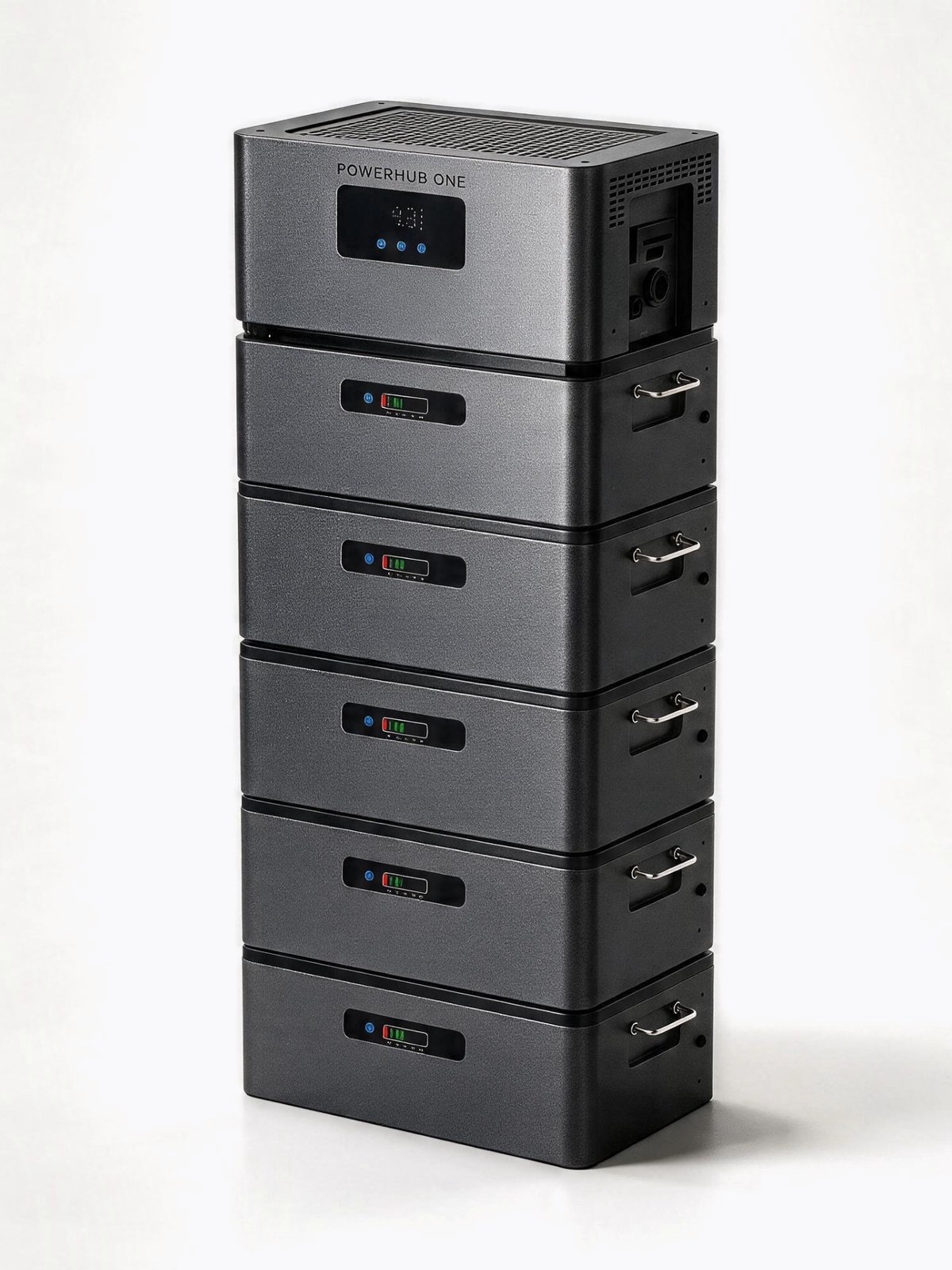
A useful plug-in home battery comparison starts with the energy you want to move, the connection available and the complete cost. PowerHub ONE offers five modular configurations from 2.4 to 12.0 kWh; Dutch-store reference prices run from €1,199 to €3,499.

Which plug-in home battery fits your home?

Start with actual capacity, socket and circuit suitability, household metering and the energy you can regularly shift. Then compare the full price and warranty conditions rather than choosing the largest label.

Modular range

Five configurations, one platform

Capacity and prices come from the central product record.

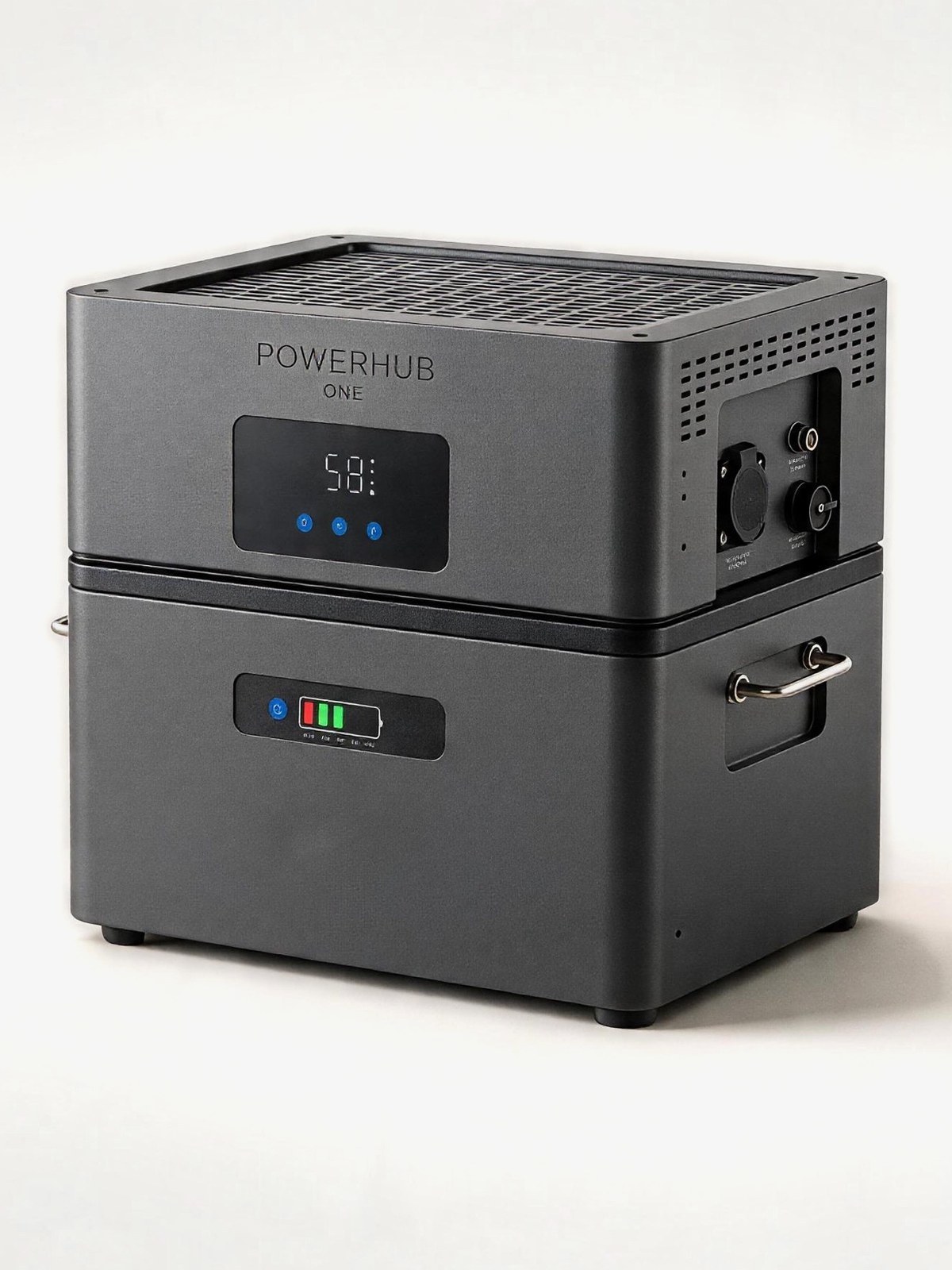
PowerHub ONE 2.5

PowerHub ONE 2.5

2.4 kWh

€1,199

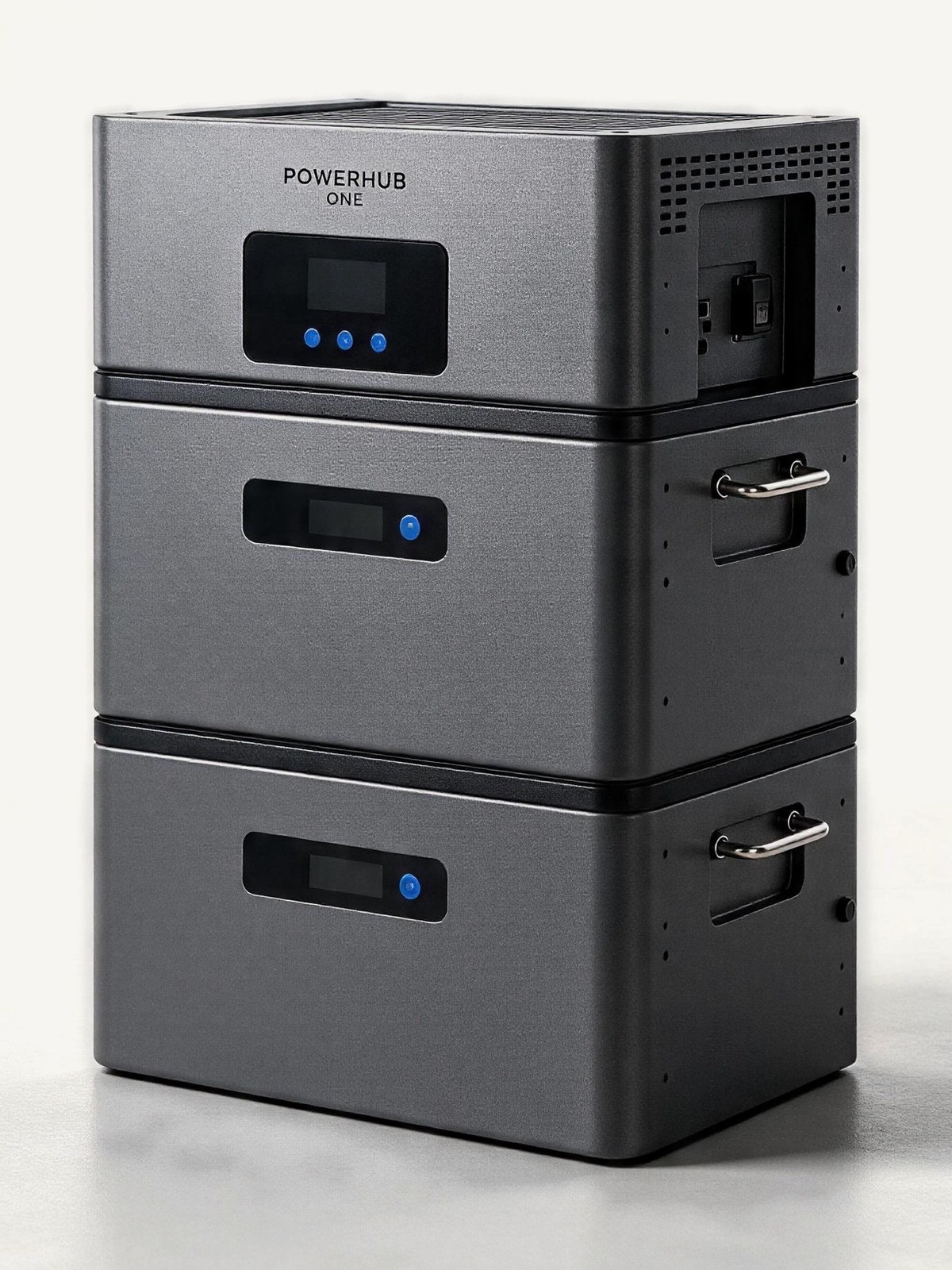
PowerHub ONE 5

PowerHub ONE 5

4.8 kWh

€1,849

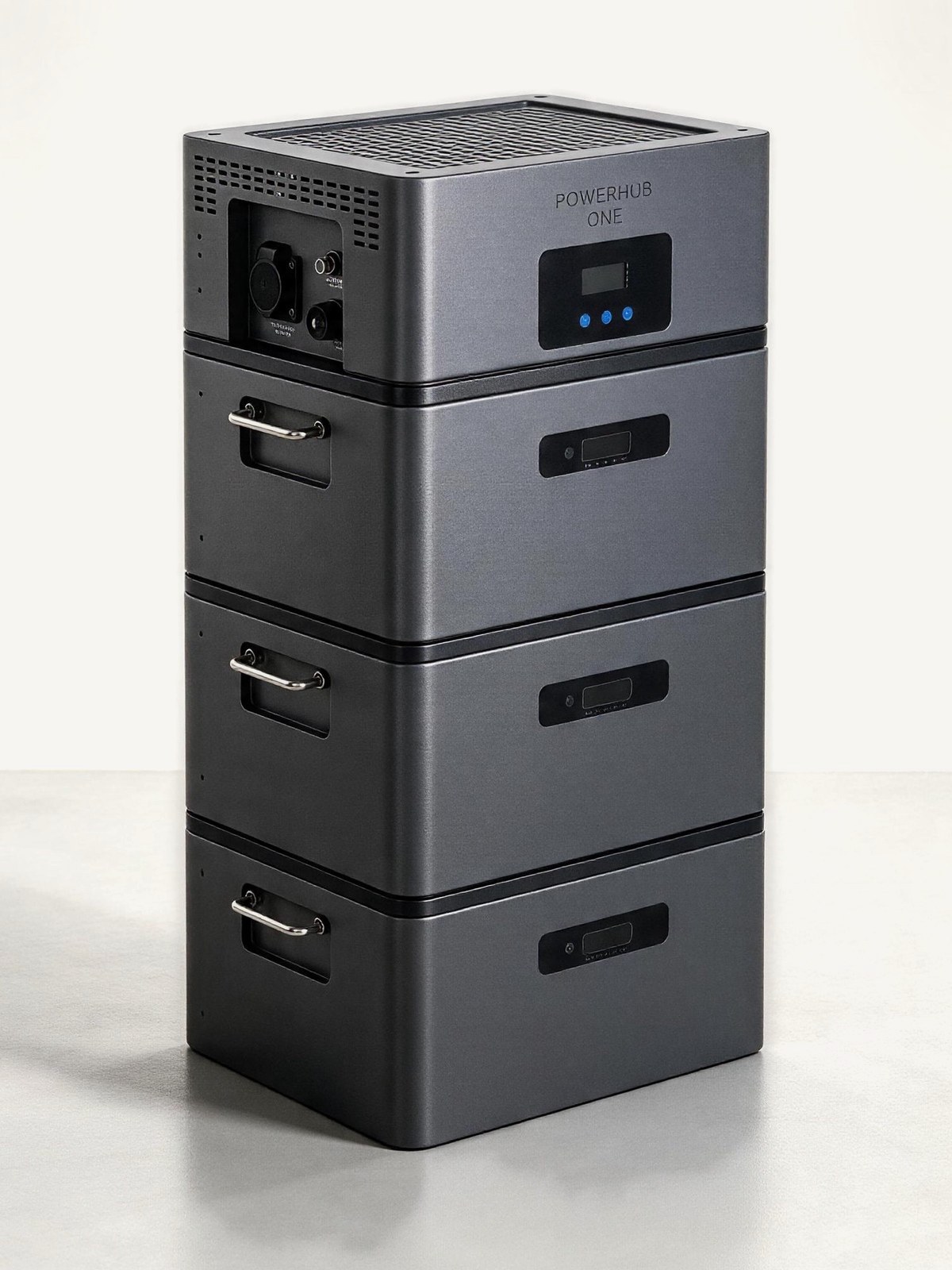
PowerHub ONE 7.5

PowerHub ONE 7.5

7.2 kWh

€2,499

PowerHub ONE 10

PowerHub ONE 10

9.6 kWh

€2,999

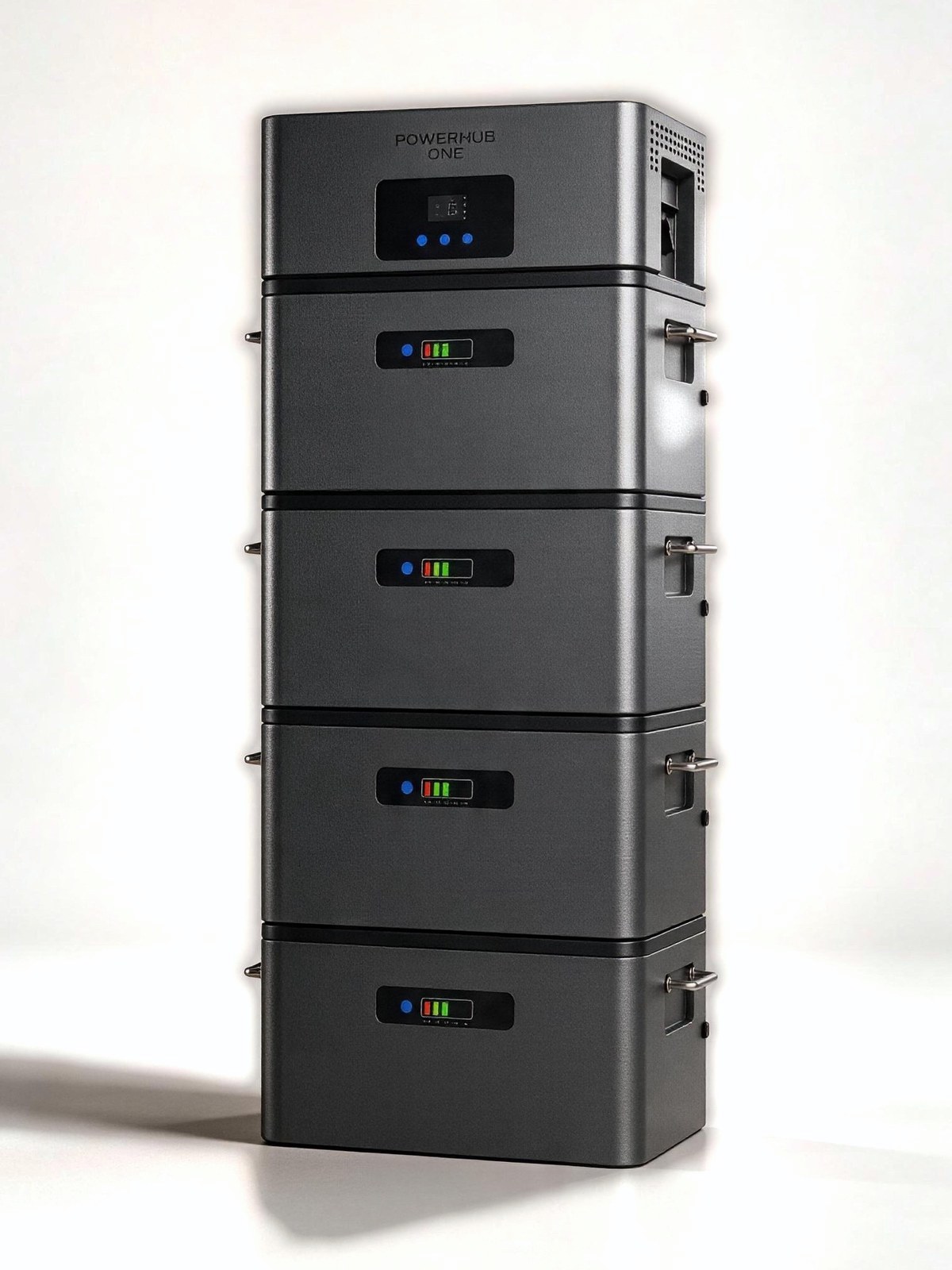
PowerHub ONE 12

PowerHub ONE 12

12.0 kWh

€3,499

PowerHub ONE from 2.4 to 12.0 kWh

Each configuration uses 2.4 kWh modules on the same modular platform, so capacity can start smaller and expand within the supported range.

Two documented connection modes

Standard mode on a suitable shared 230 V socket operates up to 800 W. The optional setup on a dedicated circuit supports up to 2.4 kW peak and requires appropriate electrical work.

AC-coupled for flexible use

PowerHub ONE works on the household AC side, alongside an existing solar inverter or with a compatible time-based electricity strategy without solar panels.

Compare total cost, not only purchase price

The displayed €1,199 to €3,499 range is a Dutch-store reference including Dutch VAT. Metering, electrical work, tax, seller, delivery and availability must be confirmed for the destination country.

In depth

What to know before you decide

Comparing plug-in home batteries fairly

Plug-in batteries are grouped by how they connect, not by how much they store. The shared characteristic is AC coupling on the household side, which keeps the existing solar inverter in place. What differs between products is usable capacity, the power ceiling of each mode and what the manufacturer documents about the outlet and circuit.

PowerHub ONE operates up to 800 W in standard mode on a suitable 230 V outlet, and up to 2.4 kW peak on a dedicated circuit installed by a qualified electrician. Any comparison should state which mode each figure refers to.

Capacity steps instead of one fixed size

Because capacity is built from 2.4 kWh modules, you can start below your estimate and extend later. That reduces the risk of oversizing at the moment you know least about your own pattern.

Warranty terms and the point of contact for service are part of the comparison too, not an afterthought once the specification sheets match.

Next step

Explore PowerHub ONE, the modular home battery

Five configurations, prices and the published warranty framework on one page.

Customer reviews

What customers say about PowerHub ONE

We only publish reviews from customers who actually bought and used the product. As long as there are no reviews, no score is shown here — we never invent one.

No reviews yet

Once customers have their PowerHub ONE in use, we invite them to share their experience and the average appears here.

Already using a PowerHub ONE?

Customers receive a personal invitation after delivery. Every review is published unchanged, including critical ones.

Frequently asked questions

Answers for an evidence-based decision

Compare actual kWh, power with its connection conditions, metering, expansion, controls, warranty scope and complete local cost.

No. The outlet and circuit must be suitable for the intended continuous use and local electrical requirements.

The published framework covers 10 years, 6,000 cycles and at least 70% remaining capacity under the published warranty conditions. Read the complete conditions for scope and exclusions.

No. They are Dutch-store reference prices. Country-specific tax, seller, availability and delivery are confirmed before ordering.