Household storage

Domestic battery storage: capacity, power and cost

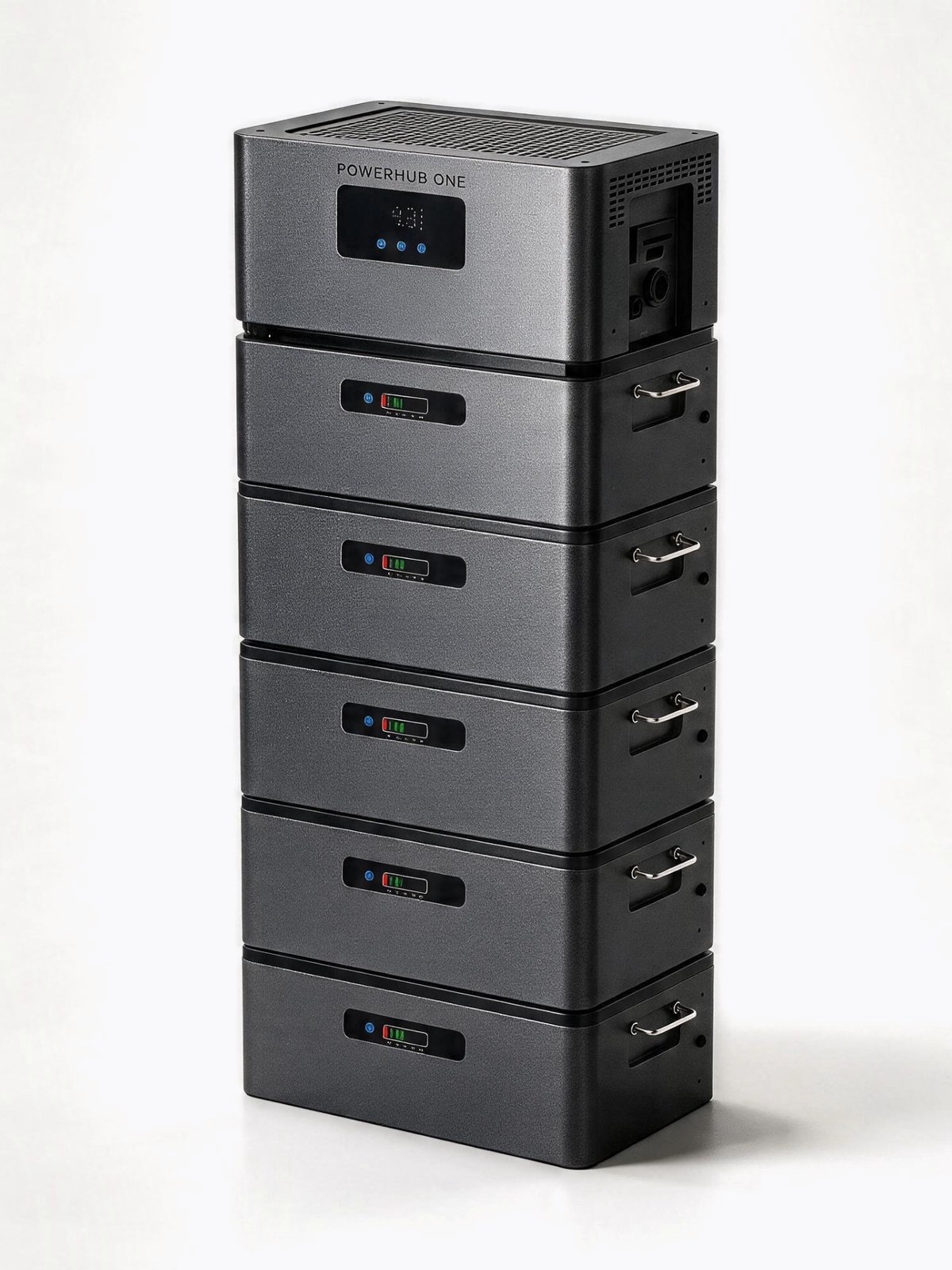
Domestic battery storage is judged on three things: usable capacity, the power your connection allows and the total cost. PowerHub ONE covers 2.4 to 12.0 kWh with published prices from €1,199.

What should I compare first?

Usable capacity, the power available through your connection, expandability and the published warranty framework. Model names alone say little about actual capacity.

Modular range

Five configurations, one platform

Capacity and prices come from the central product record.

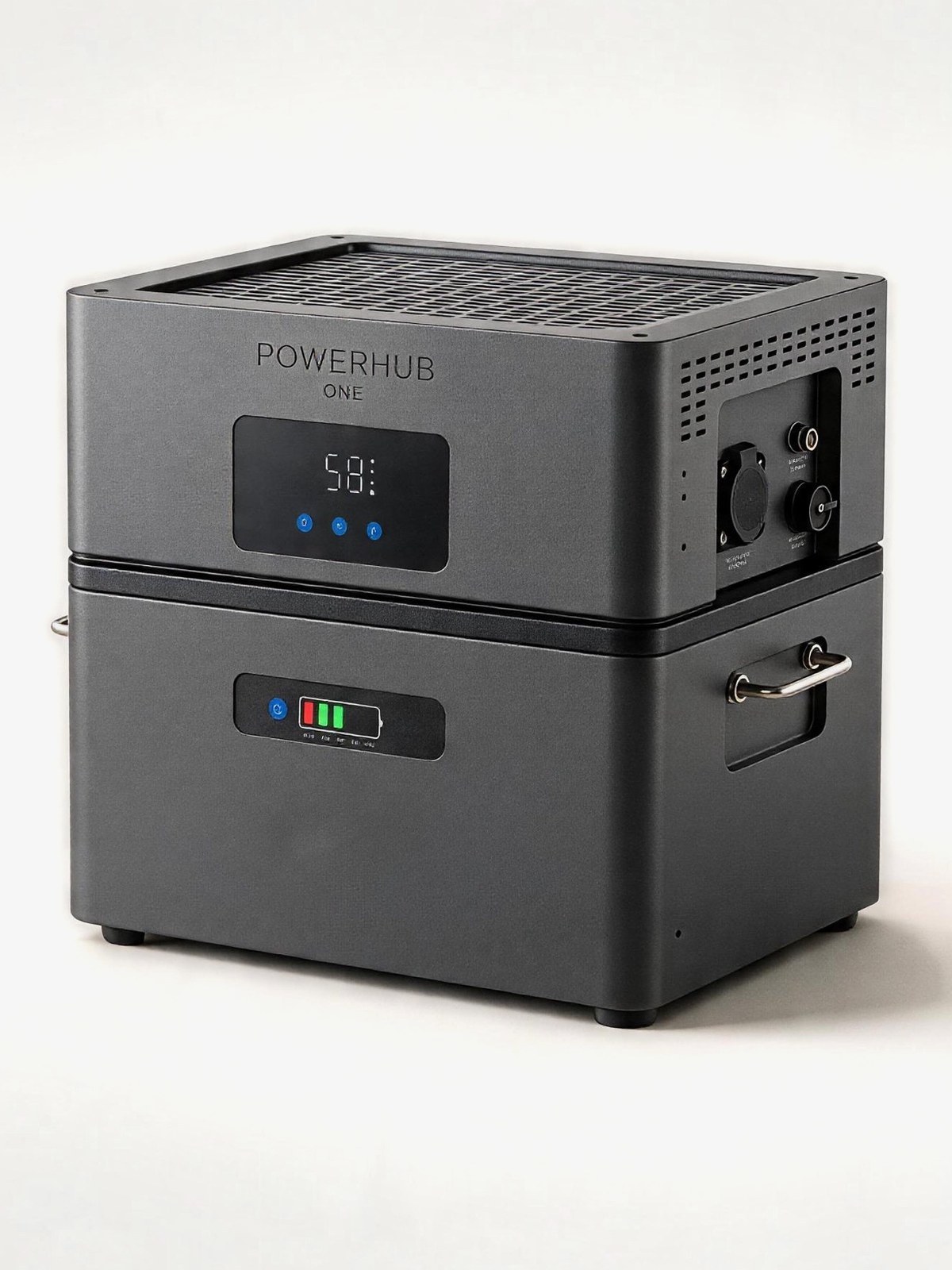
PowerHub ONE 2.5

PowerHub ONE 2.5

2.4 kWh

€1,199

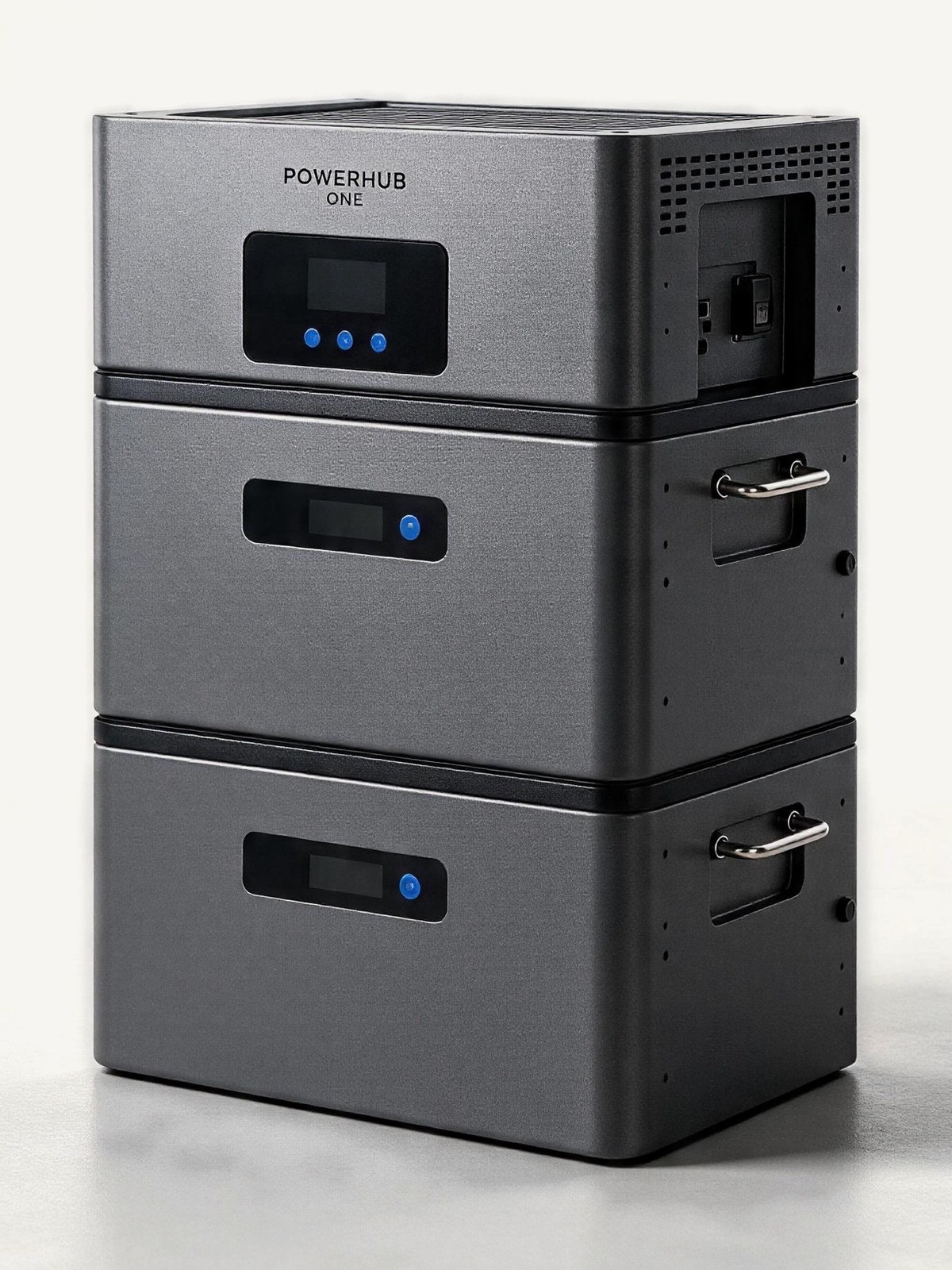
PowerHub ONE 5

PowerHub ONE 5

4.8 kWh

€1,849

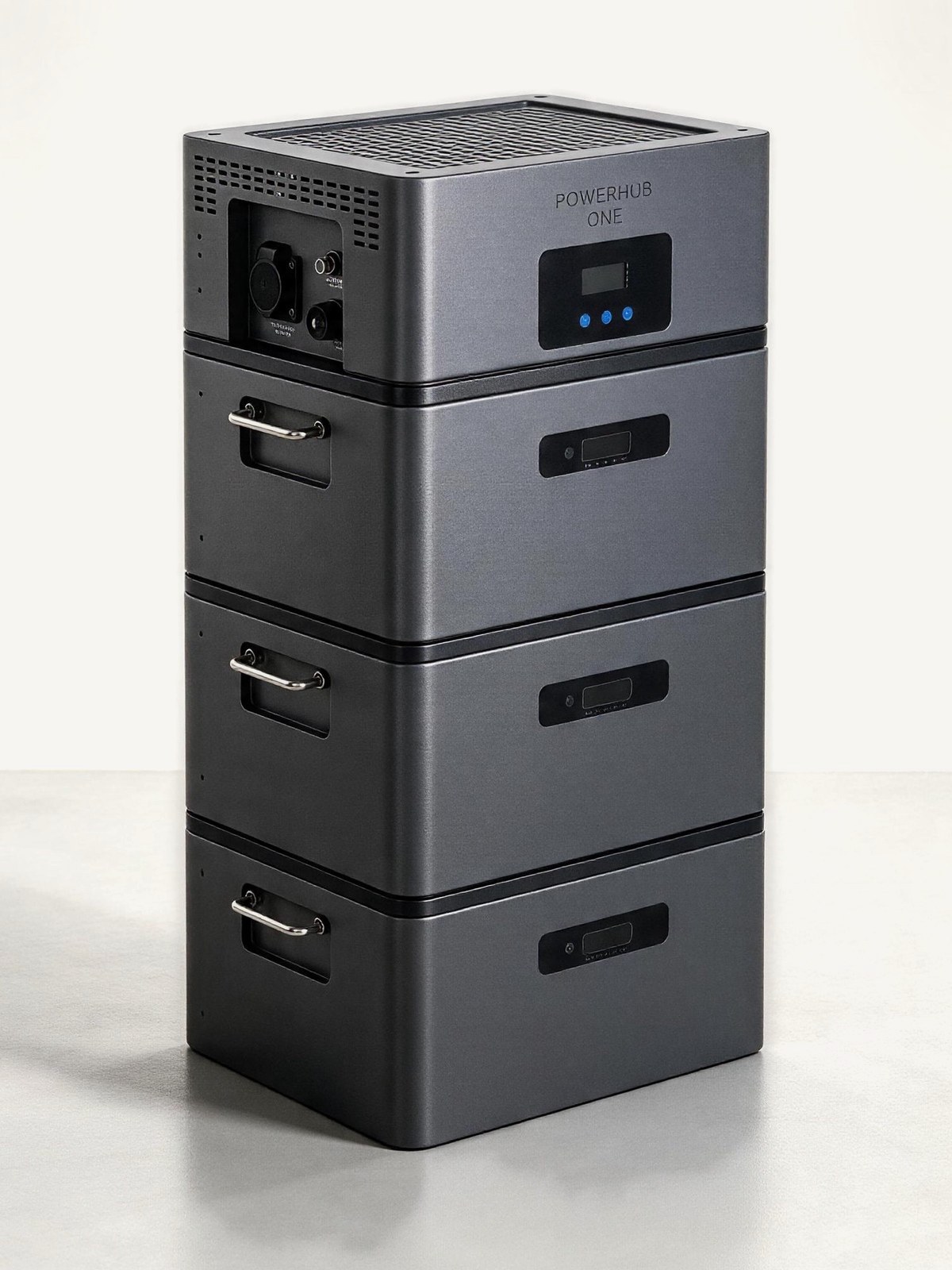
PowerHub ONE 7.5

PowerHub ONE 7.5

7.2 kWh

€2,499

PowerHub ONE 10

PowerHub ONE 10

9.6 kWh

€2,999

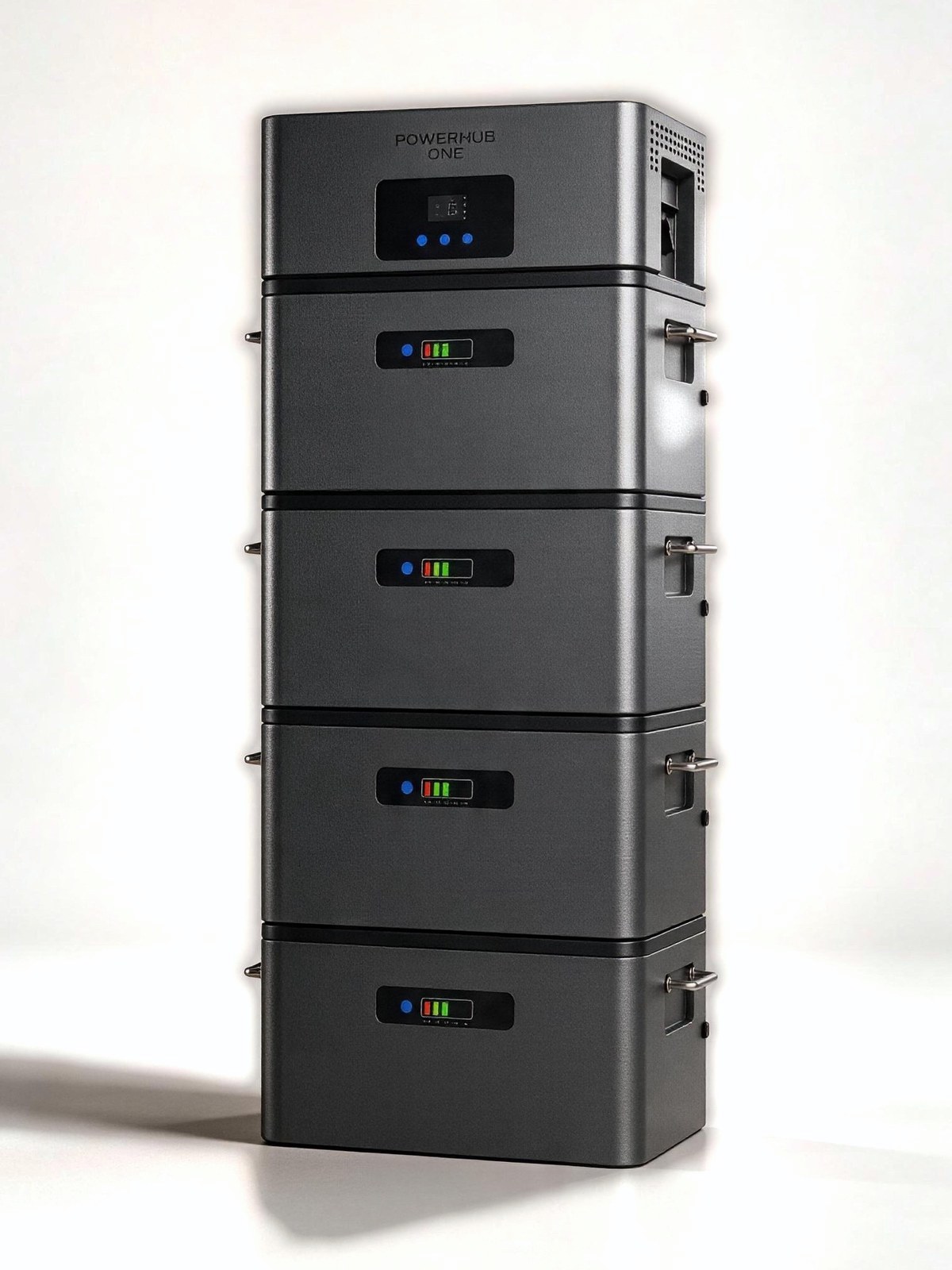
PowerHub ONE 12

PowerHub ONE 12

12.0 kWh

€3,499

Actual capacity

Configurations are built from 2.4 kWh modules and cover 2.4 to 12.0 kWh of actual battery capacity.

Power depends on connection

Extra modules raise energy, not the power limit of the connection mode: up to 800 W standard, up to 2.4 kW peak on a dedicated circuit.

Cost beyond the unit

Metering equipment and any fixed electrical work are confirmed for the property and sit outside the unit price.

Warranty as a comparison point

The published framework covers 10 years, 6,000 cycles and at least 70% remaining capacity under the published warranty conditions.

In depth

What to know before you decide

Domestic battery storage compared on equal terms

A fair comparison of domestic battery storage uses the same definitions throughout: actual usable capacity in kWh, power with its connection conditions, whether capacity can be expanded, the metering method, the published warranty framework and the installed cost.

Commercial model names are frequently rounded. Always read the actual capacity figure next to the label before comparing two systems.

Where PowerHub ONE sits

PowerHub ONE is a modular AC-coupled platform: five configurations from 2.4 to 12.0 kWh of actual capacity, standard operation up to 800 W on a suitable outlet and up to 2.4 kW peak on a dedicated circuit.

Warranty terms belong in the comparison too. Read scope and exclusions, not just the number of years, because that is where systems differ most.

Next step

Explore PowerHub ONE, the modular home battery

Five configurations, prices and the published warranty framework on one page.

Customer reviews

What customers say about PowerHub ONE

We only publish reviews from customers who actually bought and used the product. As long as there are no reviews, no score is shown here — we never invent one.

No reviews yet

Once customers have their PowerHub ONE in use, we invite them to share their experience and the average appears here.

Already using a PowerHub ONE?

Customers receive a personal invitation after delivery. Every review is published unchanged, including critical ones.

Frequently asked questions

Answers for an evidence-based decision

It depends on the energy you want to shift per day and the power your connection mode allows.

Yes, by adding 2.4 kWh modules within the supported configurations.

Fixed electrical work, including a dedicated circuit, must be done by a qualified electrician.