Independent English guide

Home battery storage for flexible household energy

Home battery storage moves electricity from the moment it is available to the moment your home needs it. This English guide explains capacity, connection choices, solar use and time-based electricity prices without assuming a particular country's tariff, tax or subsidy rules.

What is home battery storage?

A home battery stores electricity for later use. It can capture surplus solar generation or charge during selected lower-price hours, then support household demand later. The financial result depends on your own consumption, tariff and local rules.

Modular range

Five configurations, one platform

Capacity and prices come from the central product record.

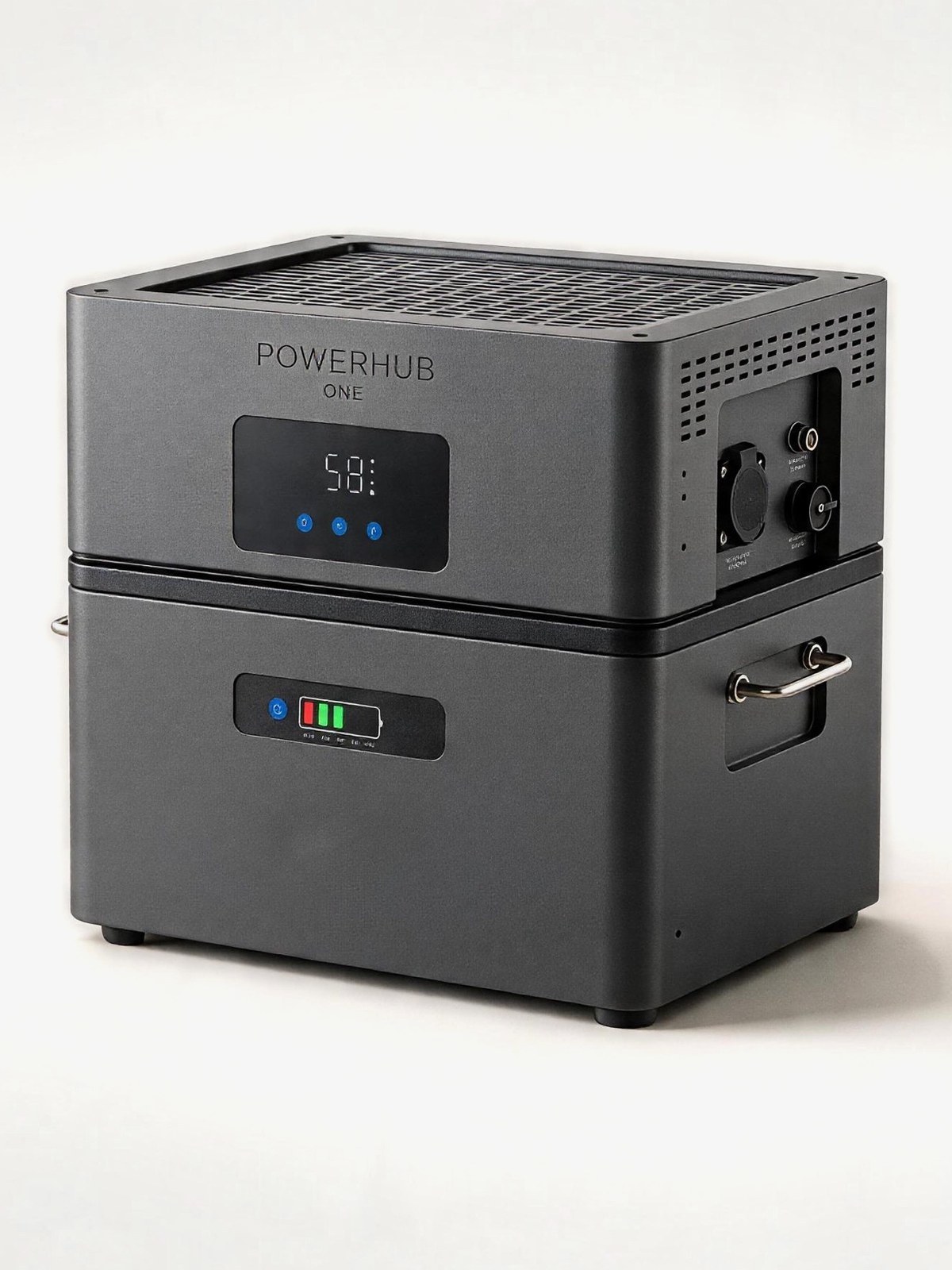
PowerHub ONE 2.5

PowerHub ONE 2.5

2.4 kWh

€1,199

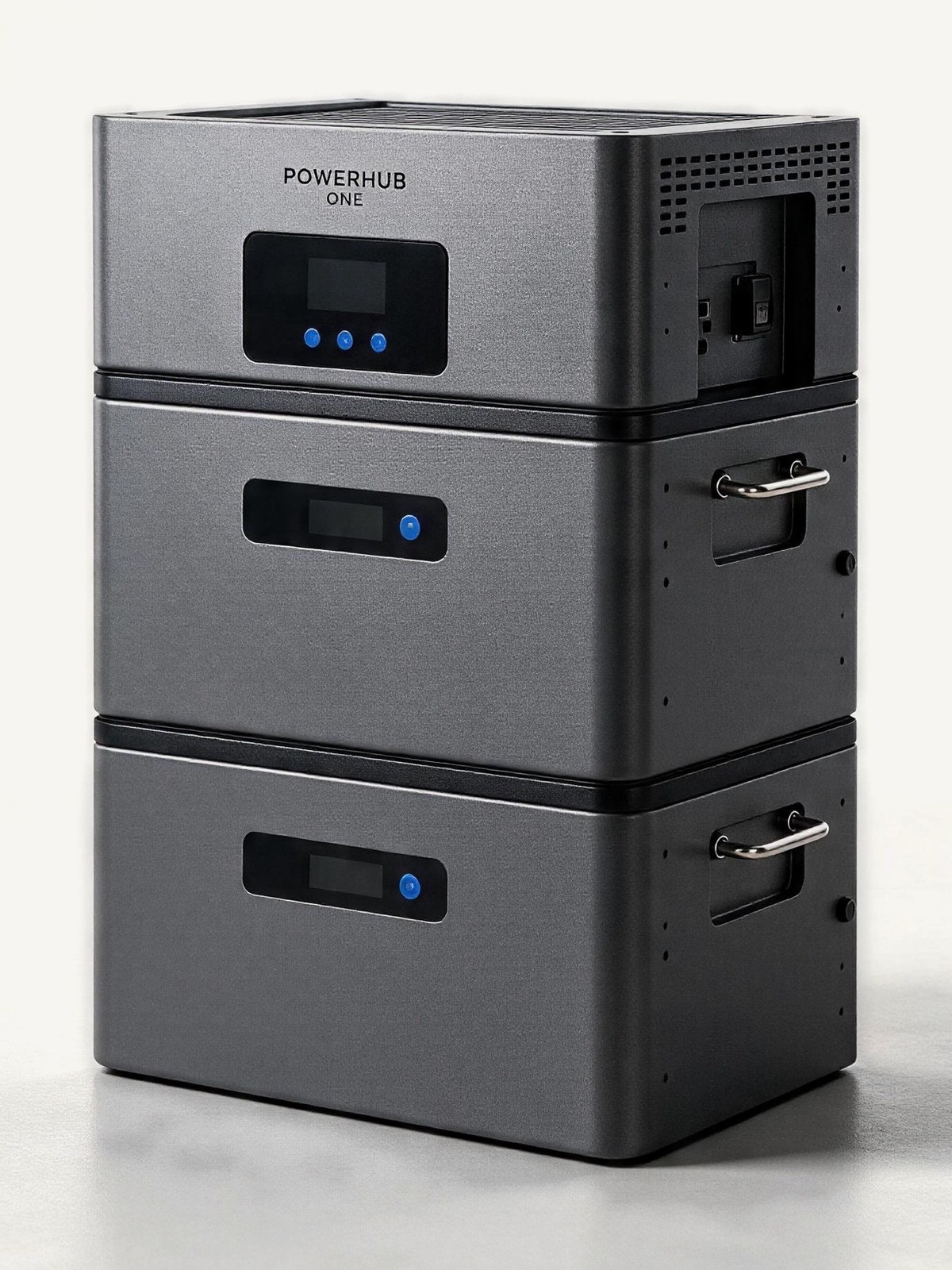
PowerHub ONE 5

PowerHub ONE 5

4.8 kWh

€1,849

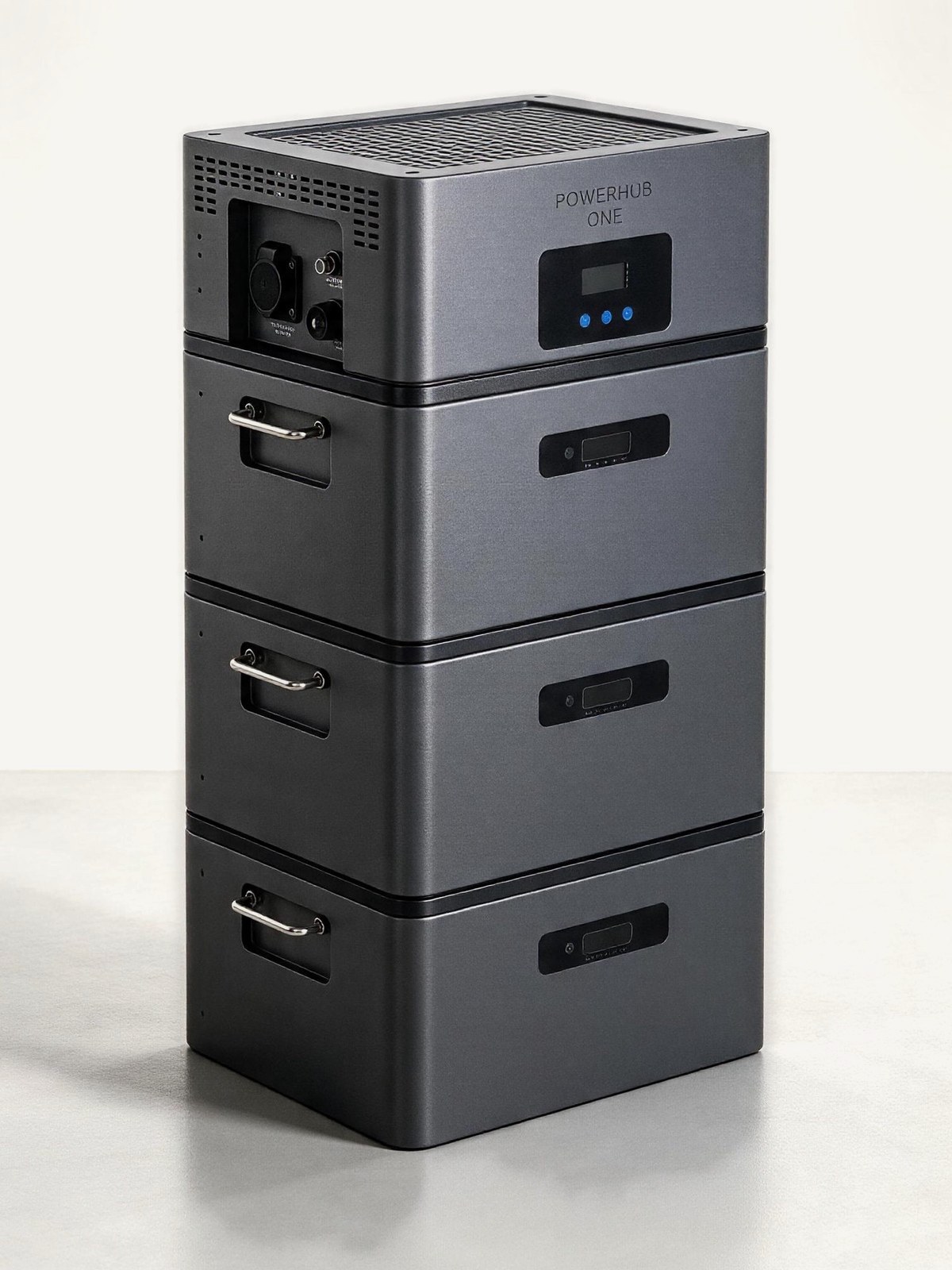
PowerHub ONE 7.5

PowerHub ONE 7.5

7.2 kWh

€2,499

PowerHub ONE 10

PowerHub ONE 10

9.6 kWh

€2,999

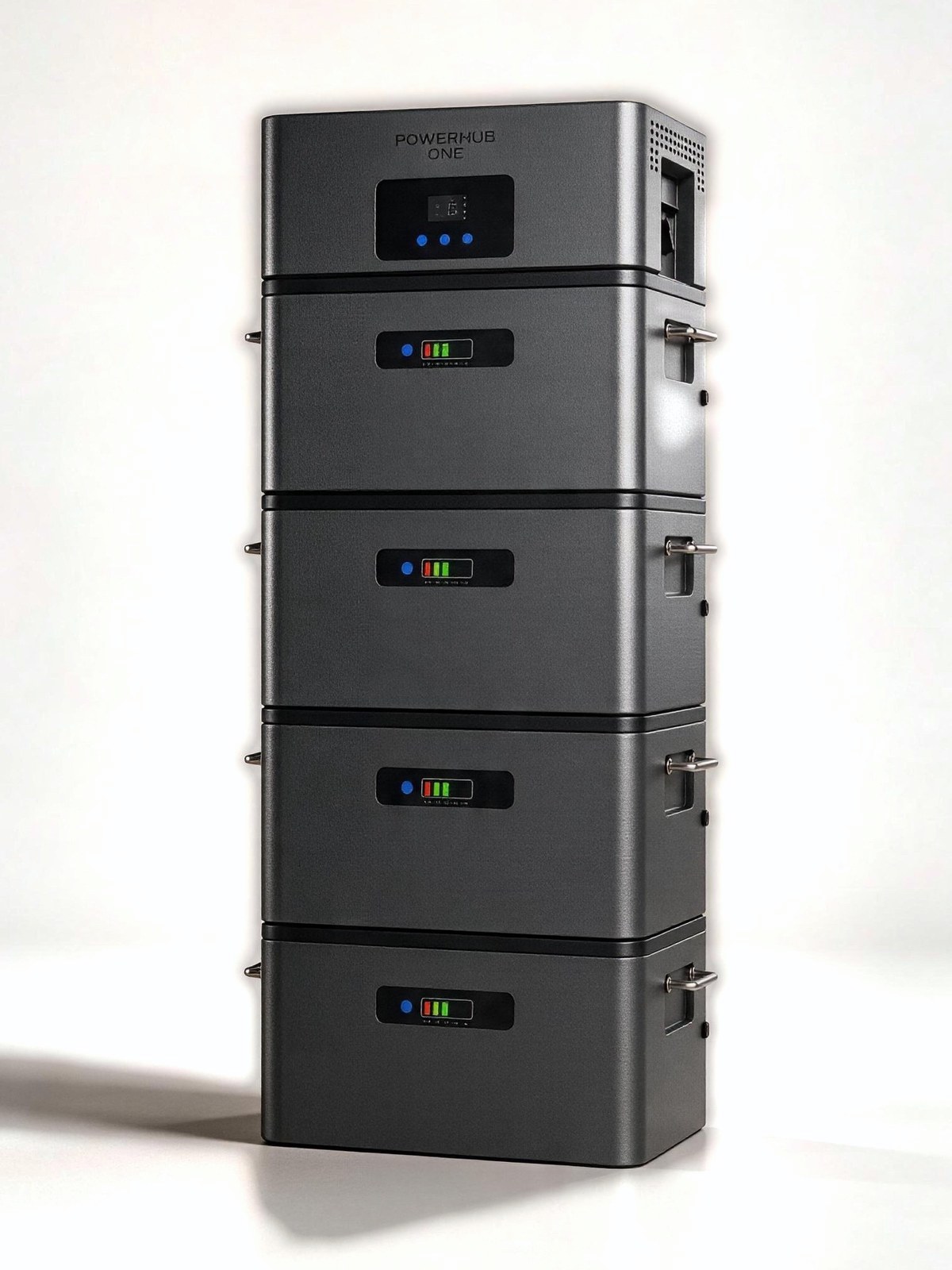
PowerHub ONE 12

PowerHub ONE 12

12.0 kWh

€3,499

Start with your energy profile

Compare hourly consumption with solar generation or tariff changes. Daily averages hide the hours in which storage can actually shift energy.

Choose usable capacity, not the largest label

PowerHub ONE is modular across 2.4 to 12.0 kWh. A sensible starting point follows the energy you regularly need to move, with room to expand later.

Connection and metering are local

A suitable 230 V connection is central to plug-in use. The way household consumption is measured and any electrical work required must be confirmed for the property and country.

Compare scenarios rather than promises

Model solar surplus, time-based prices and expected daily cycling separately. No single payback period applies to every household.

In depth

What to know before you decide

How home battery storage fits a modern household

Home battery storage is about timing. Electricity is cheapest or most abundant at moments that rarely match the evening peak in a household, and a battery bridges that gap by storing energy now and releasing it later. That shift is the entire mechanism, whether the source is solar surplus or a lower-priced grid hour.

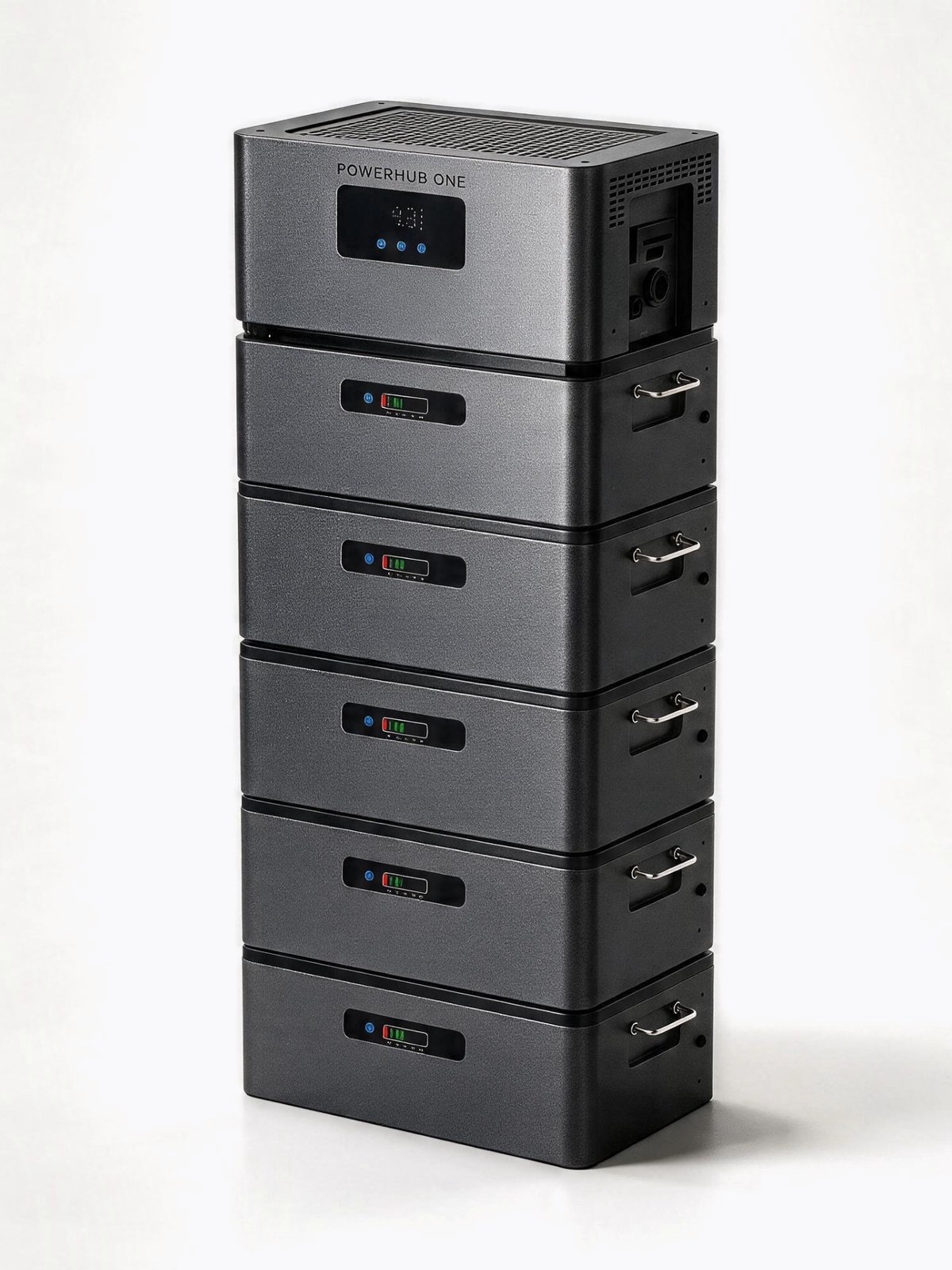
Because PowerHub ONE is AC-coupled, home battery storage can be added to an existing installation without replacing the solar inverter. Five configurations between 2.4 and 12.0 kWh mean the storage size can follow the household profile instead of a single fixed product.

What to verify before buying home battery storage

Check three things in order: the energy you regularly want to move, the connection your property allows, and the total cost including metering and any electrical work. Only then does a capacity comparison become meaningful.

Treat payback claims with care. Savings depend on your tariff, consumption, solar production, round-trip losses and local rules, so compare conservative scenarios instead of a single headline figure.

Home battery or wider battery storage: the words people use

Home battery, battery storage and home battery storage are used interchangeably in search, but they describe slightly different things. The home battery is the unit with the modules; battery storage is the whole arrangement of battery, conversion stage, metering and control logic that decides when energy moves.

That distinction matters when comparing offers. A low price for a home battery says nothing about the metering solution or the electrical work a property needs, so compare the complete battery storage setup rather than the box alone.

Next step

Explore PowerHub ONE, the modular home battery

Five configurations, prices and the published warranty framework on one page.

Customer reviews

What customers say about PowerHub ONE

We only publish reviews from customers who actually bought and used the product. As long as there are no reviews, no score is shown here — we never invent one.

No reviews yet

Once customers have their PowerHub ONE in use, we invite them to share their experience and the average appears here.

Already using a PowerHub ONE?

Customers receive a personal invitation after delivery. Every review is published unchanged, including critical ones.

Frequently asked questions

Answers for an evidence-based decision

Yes. It can charge during selected lower-price periods and discharge later, provided your tariff and configuration support that strategy.

Use your hourly consumption to estimate how much electricity you regularly want to shift. A modular system lets you begin smaller and add capacity later.

No. Savings depend on consumption, tariffs, solar production, losses and local market conditions.

It is worth it when you can charge and use the capacity regularly and the price difference between hours, or your solar surplus, covers the total cost. Check that with your own hourly data rather than a general claim.

Published PowerHub ONE reference prices run from €1,199 to €3,499. Metering hardware, any electrical work, tax and delivery are confirmed for the destination.

Size it on the energy you regularly shift per day, not on floor area. Modules of 2.4 kWh let you start smaller and extend within the compatible range.