Brand and system comparison

PowerHub ONE vs Anker SOLIX Solarbank 2

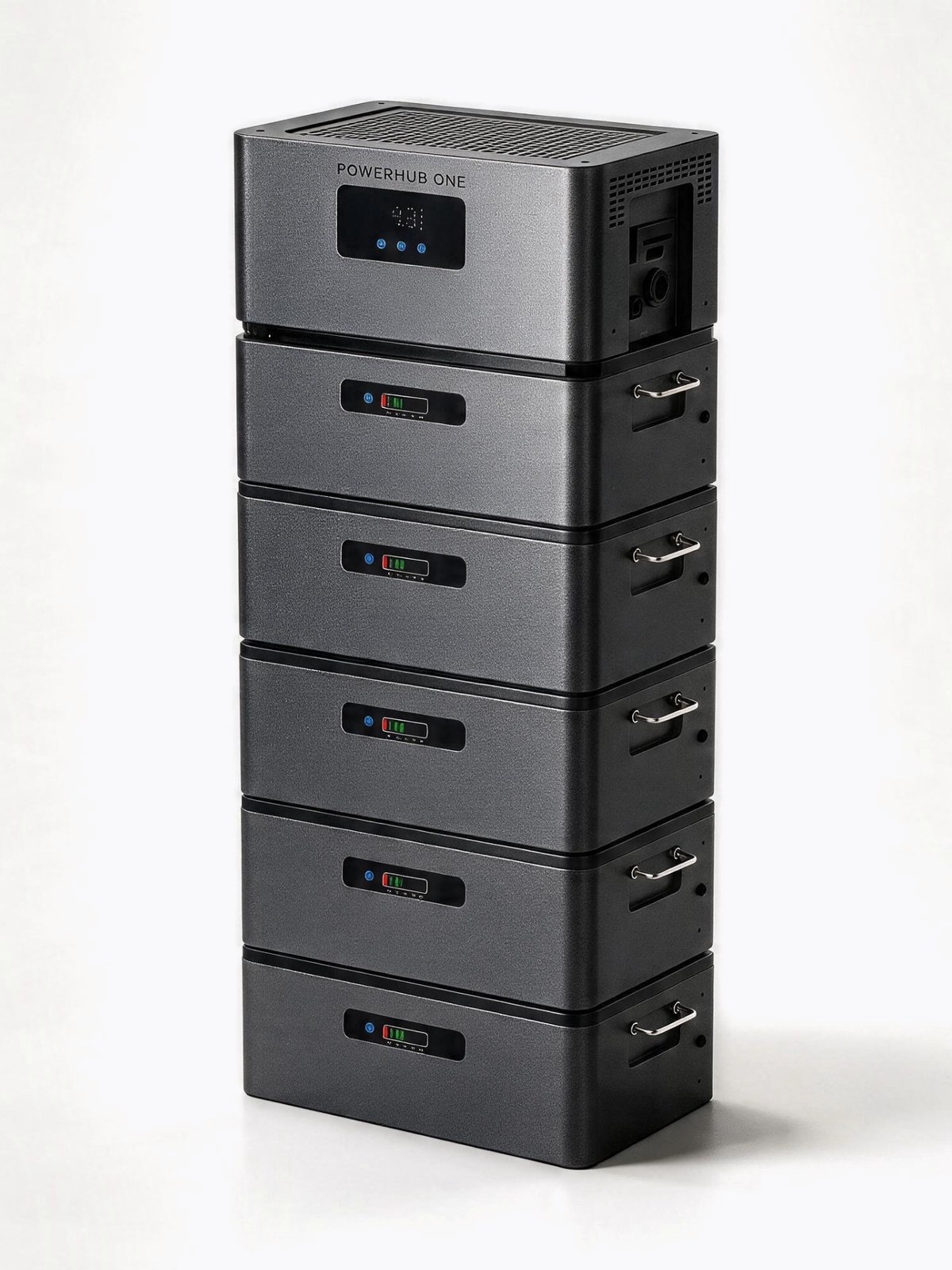
PowerHub ONE and Anker SOLIX Solarbank 2 can both appear in a plug-in battery search, but their system architecture and intended setup are not identical. Compare the exact Anker model and current manufacturer documentation with PowerHub ONE’s published AC-coupled, modular specification before deciding.

PowerHub ONE or Anker SOLIX Solarbank 2?

Choose by setup rather than brand alone. PowerHub ONE is an AC-coupled household platform with five configurations from 2.4 to 12.0 kWh. For Anker, verify the exact Solarbank 2 version, solar inputs, capacity, accessories and local configuration in its current documentation.

Modular range

Five configurations, one platform

Capacity and prices come from the central product record.

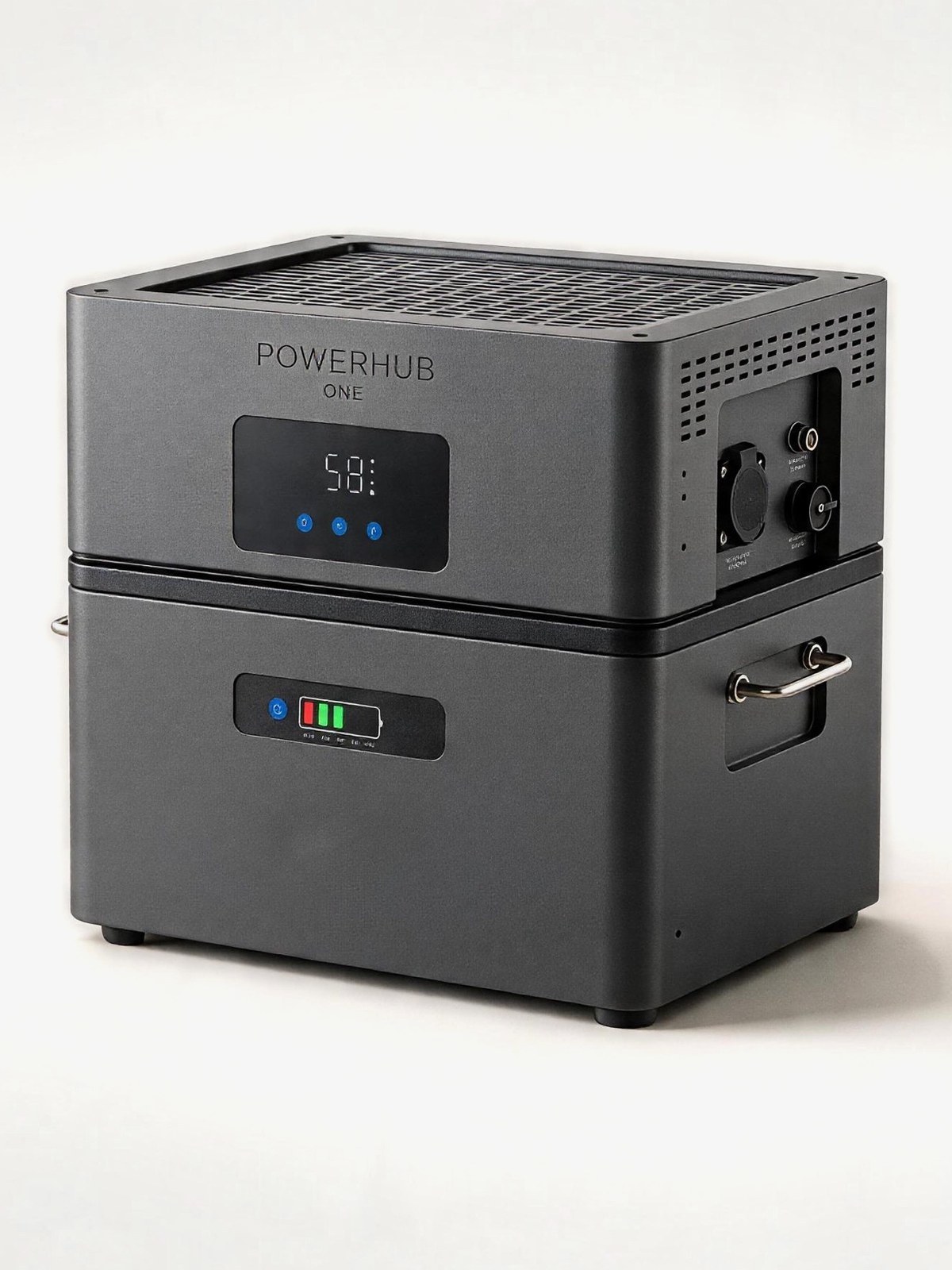
PowerHub ONE 2.5

PowerHub ONE 2.5

2.4 kWh

€1,199

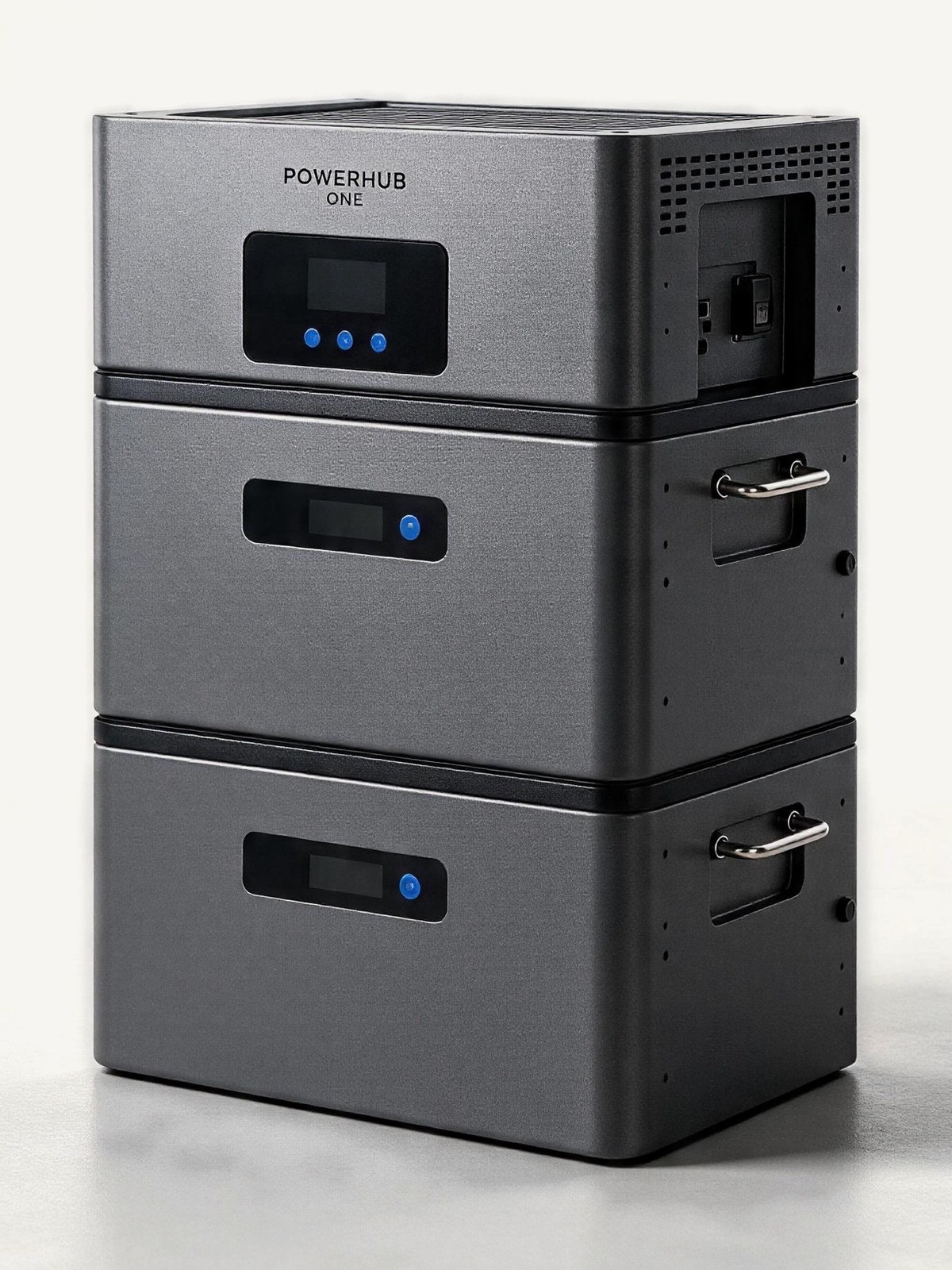
PowerHub ONE 5

PowerHub ONE 5

4.8 kWh

€1,849

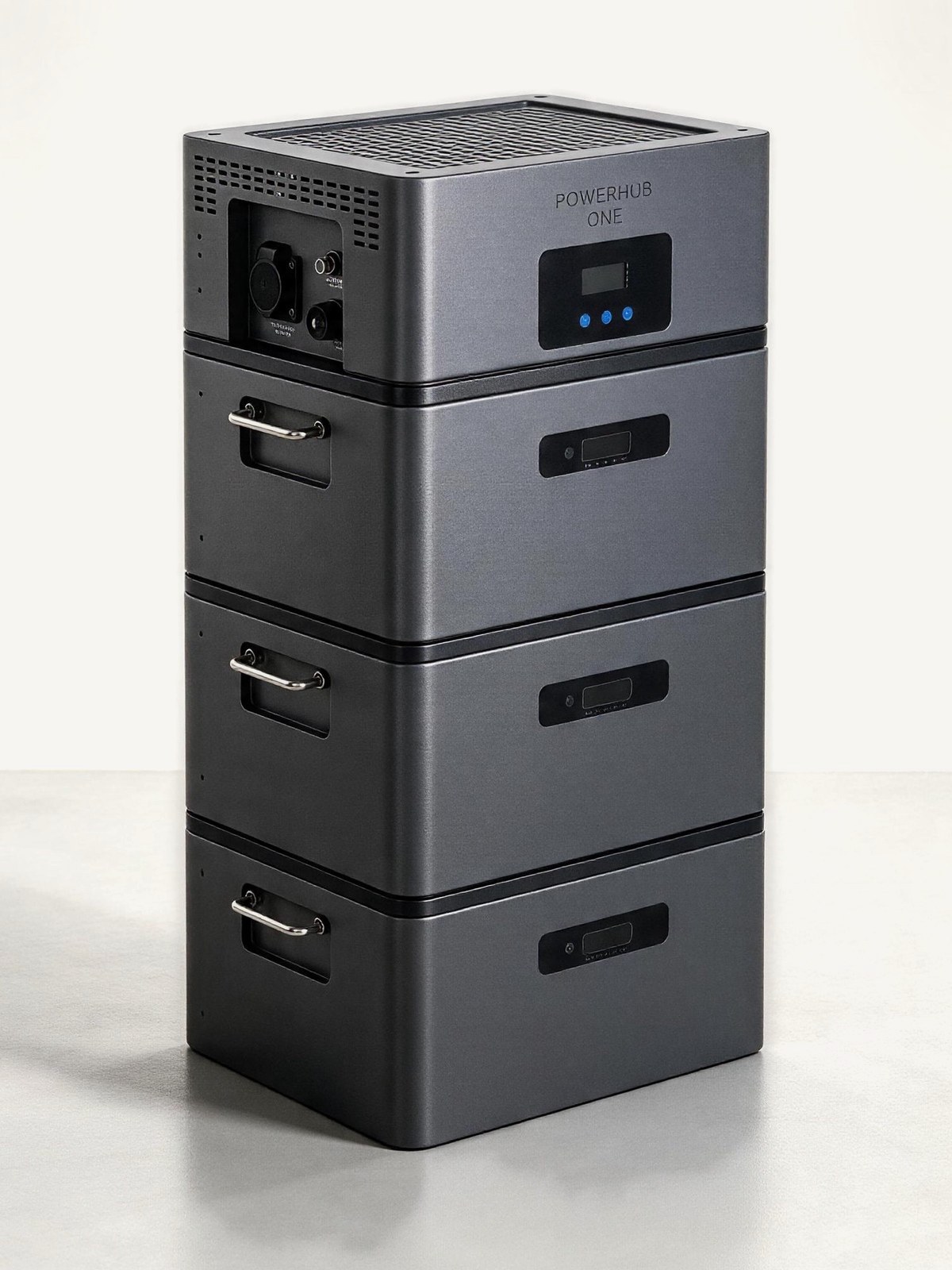
PowerHub ONE 7.5

PowerHub ONE 7.5

7.2 kWh

€2,499

PowerHub ONE 10

PowerHub ONE 10

9.6 kWh

€2,999

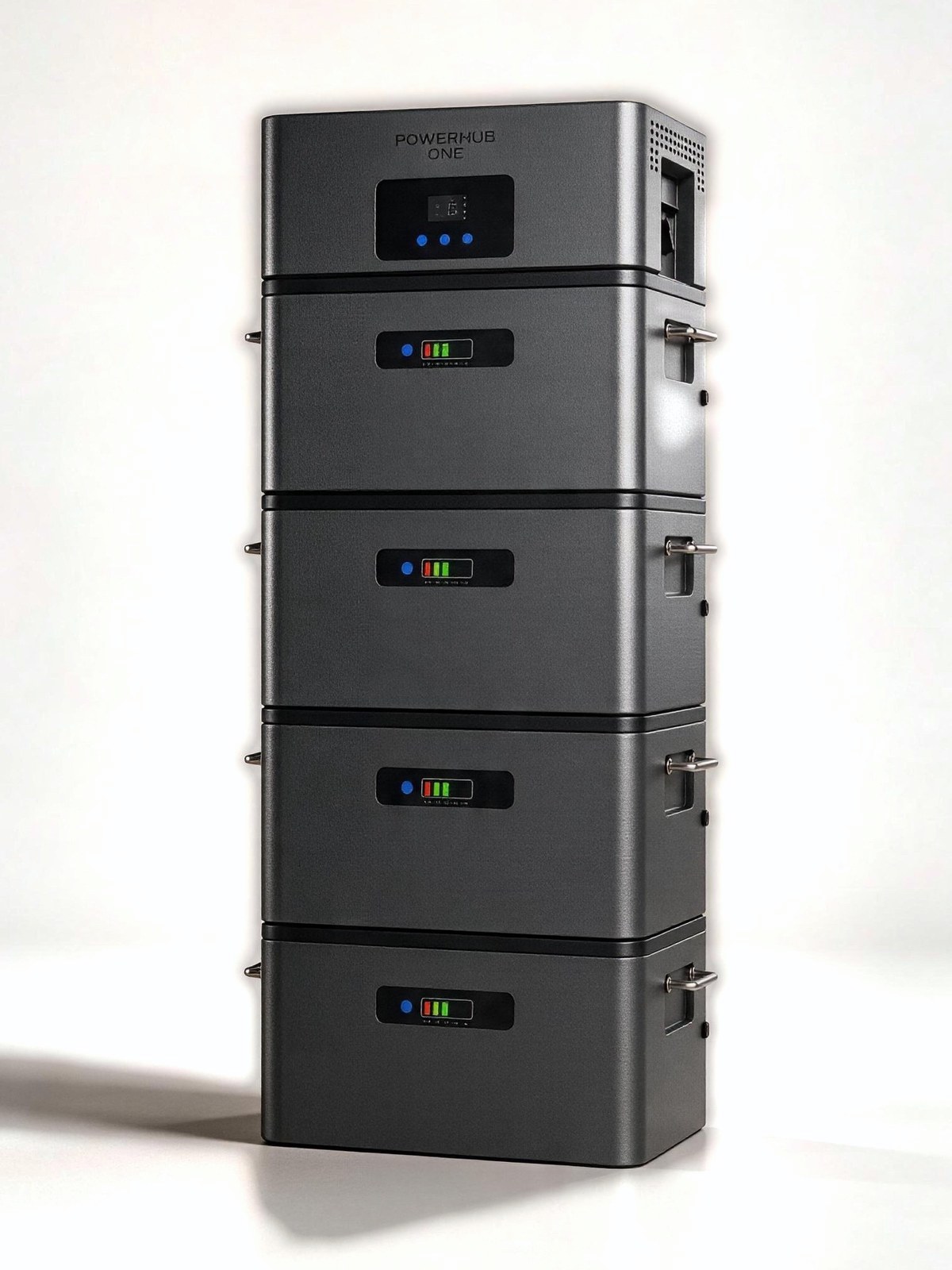
PowerHub ONE 12

PowerHub ONE 12

12.0 kWh

€3,499

Different starting architecture

PowerHub ONE is AC-coupled and does not accept solar panels directly. Solarbank 2 variants are commonly considered with direct solar input, so compare whether you want storage beside an existing inverter or a system built around direct PV inputs.

PowerHub ONE capacity and price

PowerHub ONE covers 2.4 to 12.0 kWh and Dutch-store reference prices from €1,199 to €3,499. These prices include Dutch VAT; another destination requires confirmation.

PowerHub ONE connection and control

Its standard mode operates up to 800 W on a suitable shared 230 V socket; the documented dedicated-circuit setup supports up to 2.4 kW peak. Smart control coordinates supported charging and discharging strategies.

Compare evidence from the exact model

Anker SOLIX covers multiple products and versions. Check the exact model’s current datasheet for capacity, power, expansion, backup, metering and warranty rather than applying one figure to the entire range.

In depth

What to know before you decide

Anker Solix Solarbank 2 and PowerHub ONE are different categories

The two products solve the same household problem through different connections. The Anker Solix Solarbank 2 range is built around DC solar coupling with MPPT inputs, so panels connect to the unit itself. PowerHub ONE is AC-coupled on the household side, so the existing solar inverter stays where it is and the battery works with the whole household rather than with specific panels.

That difference decides which product fits before capacity or price enters the discussion. A household without panels, or with an existing solar installation that should stay untouched, is looking at a different category than one wiring panels directly into a storage unit.

What to compare instead of headline numbers

Line up real usable capacity, the power limit of each connection mode, the warranty terms and the European point of contact for service. PowerHub ONE publishes five configurations between 2.4 and 12.0 kWh with prices and real capacities.

For any plug-in setup, the 800 W limit for standard operation reflects the European grid connection code (EU Regulation 2016/631 requirements as applied nationally), not a product choice. Higher power requires a dedicated circuit and a qualified electrician.

Next step

Explore PowerHub ONE, the modular home battery

Five configurations, prices and the published warranty framework on one page.

Customer reviews

What customers say about PowerHub ONE

We only publish reviews from customers who actually bought and used the product. As long as there are no reviews, no score is shown here — we never invent one.

No reviews yet

Once customers have their PowerHub ONE in use, we invite them to share their experience and the average appears here.

Already using a PowerHub ONE?

Customers receive a personal invitation after delivery. Every review is published unchanged, including critical ones.

Frequently asked questions

Answers for an evidence-based decision

Not exactly. PowerHub ONE is AC-coupled without direct PV inputs. Confirm the exact Solarbank 2 version because its connection and solar architecture can differ.

Yes, with a compatible time-based charging strategy. The financial result depends on tariffs, losses, use and local conditions.

The Dutch store shows five configurations from €1,199 to €3,499, including Dutch VAT. Do not treat these as a confirmed offer for another country.

Prices and bundles vary by model, seller, country and promotion. This page avoids presenting an unverified or quickly outdated competitor price as a fixed fact.