Buying guide

Compare home batteries on evidence, not labels

A useful comparison looks beyond nominal capacity. Check actual usable capacity, AC or DC connection, supported power, expansion, metering, warranty conditions, app controls and the work required at the property.

What should you compare in a home battery?

Compare actual capacity, connection method, continuous and peak power, expansion limits, metering, warranty terms and full installed cost. Use the same definitions for every product.

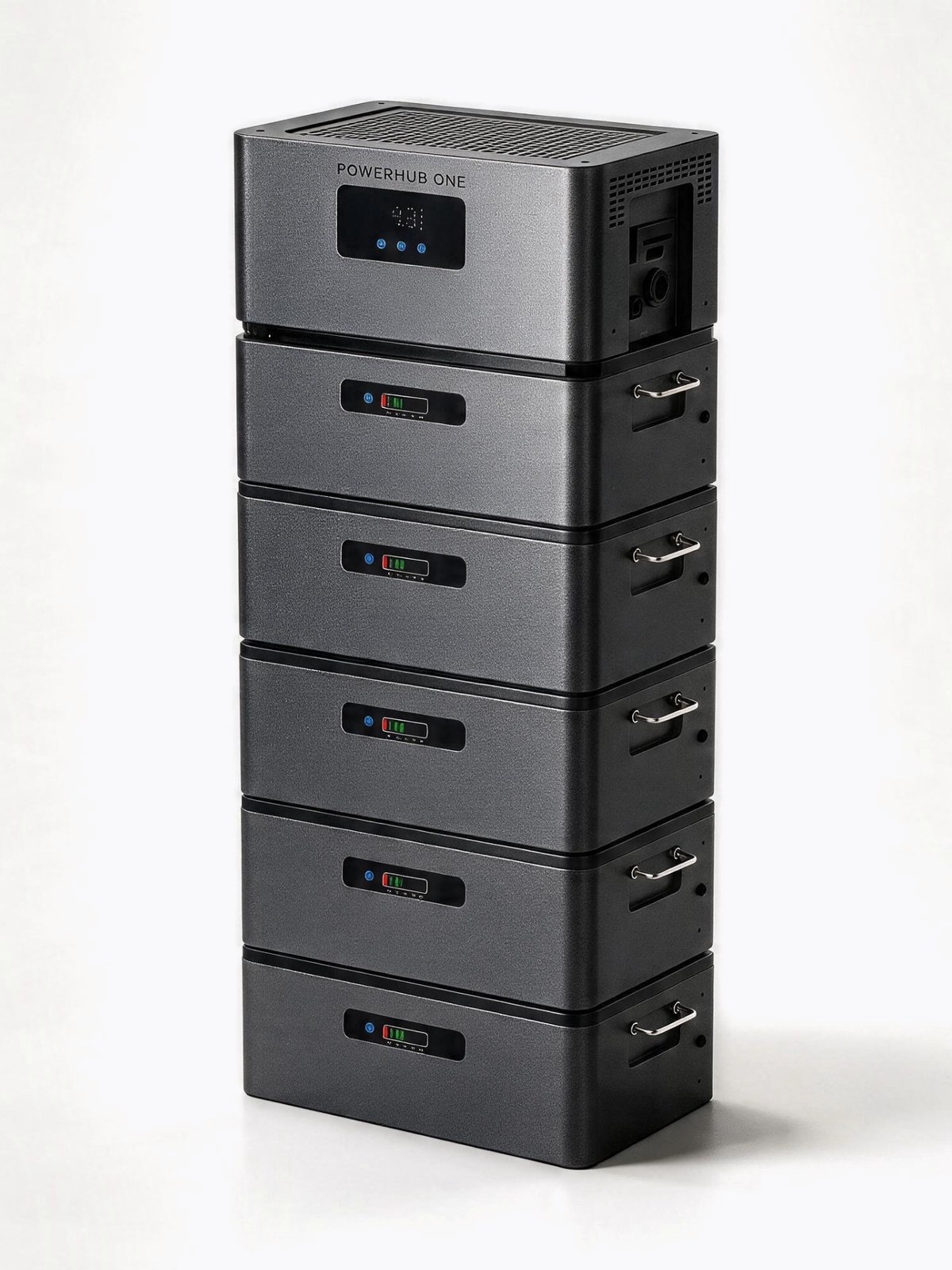
Modular range

Five configurations, one platform

Capacity and prices come from the central product record.

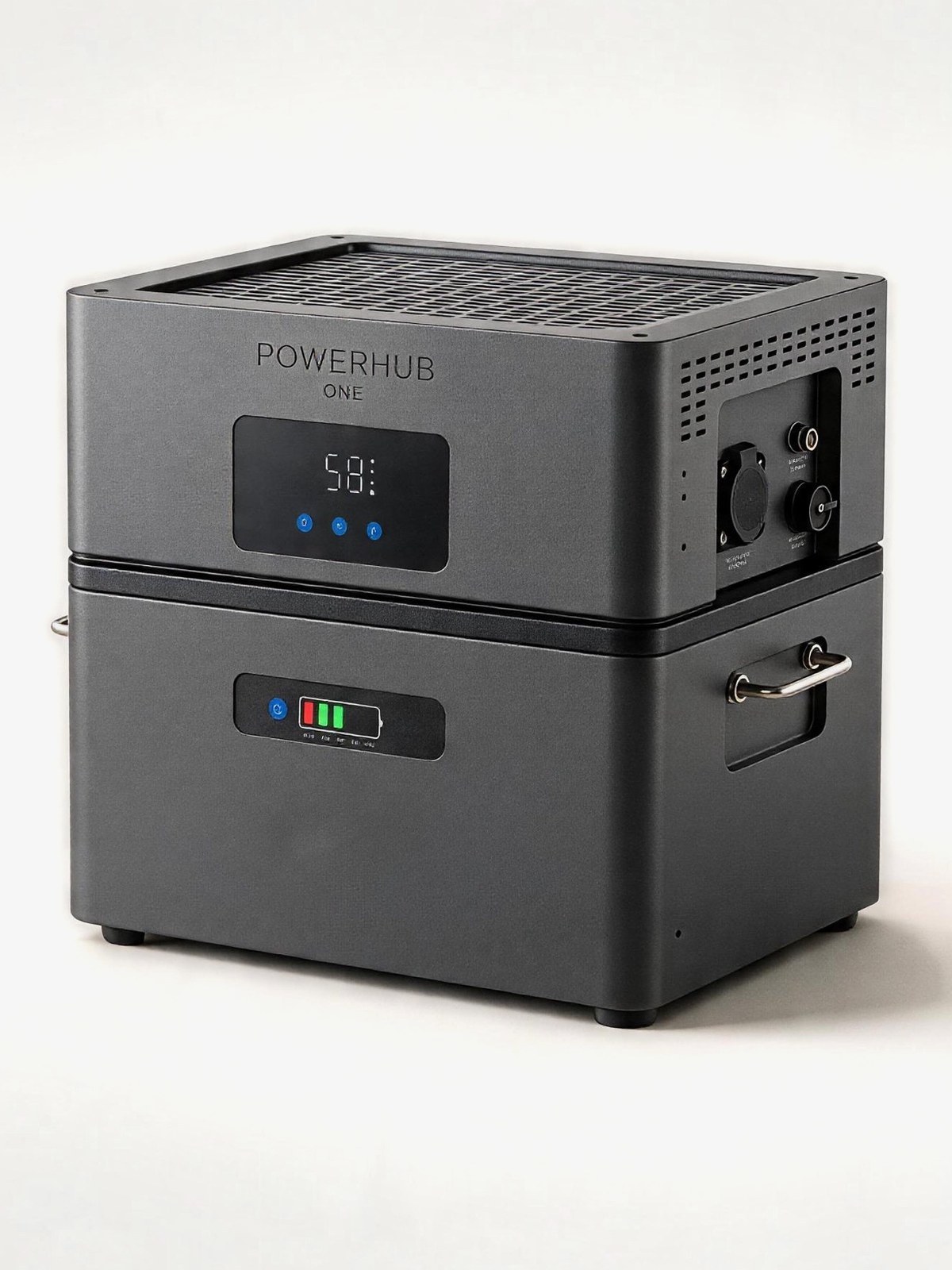
PowerHub ONE 2.5

PowerHub ONE 2.5

2.4 kWh

€1,199

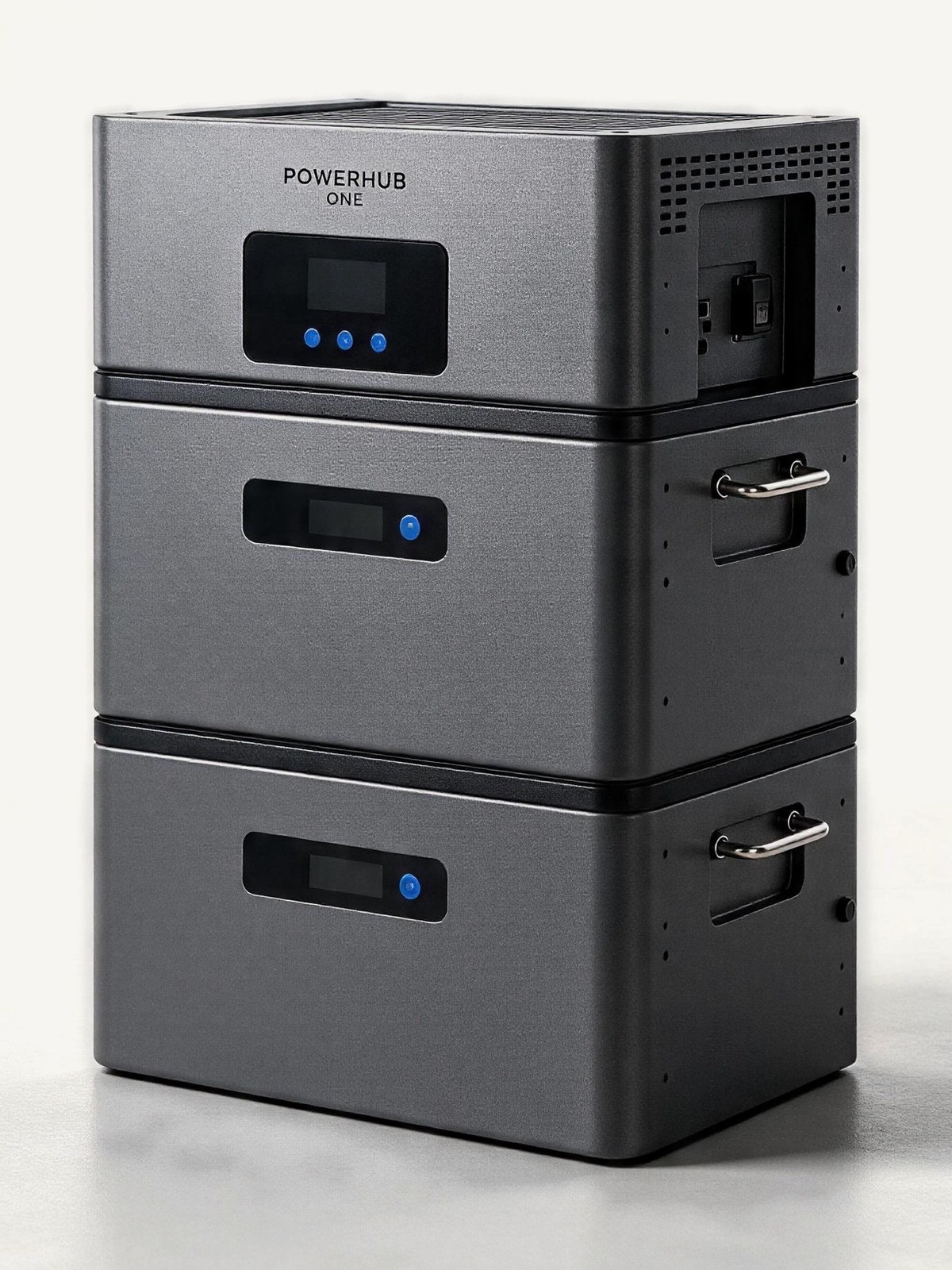
PowerHub ONE 5

PowerHub ONE 5

4.8 kWh

€1,849

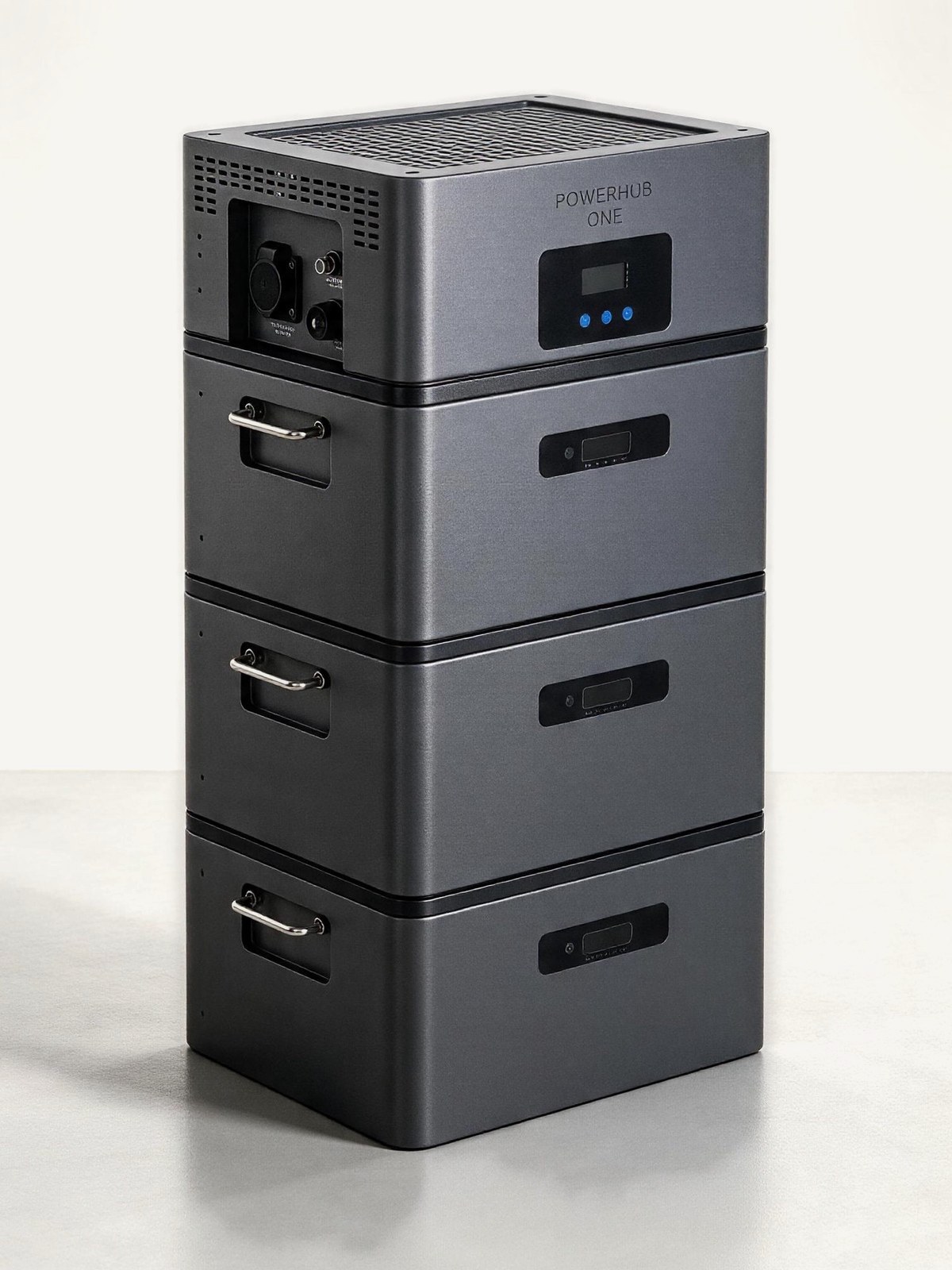
PowerHub ONE 7.5

PowerHub ONE 7.5

7.2 kWh

€2,499

PowerHub ONE 10

PowerHub ONE 10

9.6 kWh

€2,999

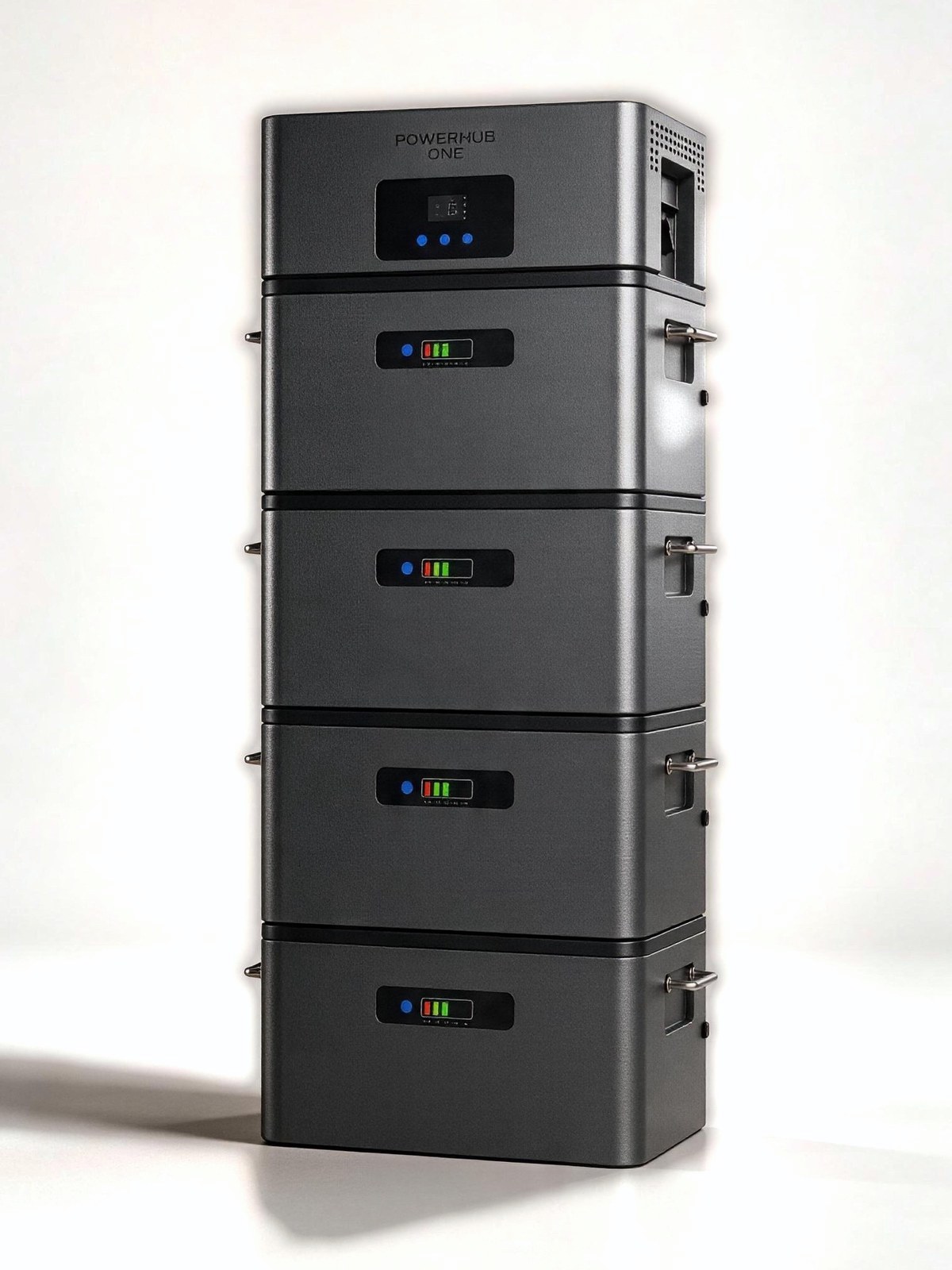
PowerHub ONE 12

PowerHub ONE 12

12.0 kWh

€3,499

Actual capacity

Rounded model names can differ from actual kWh. PowerHub publishes both so configurations can be compared on the same basis.

Power with context

A power figure is incomplete without its connection conditions. Separate standard socket operation from dedicated-circuit performance.

Modularity

Check whether expansion means adding modules to the same system or replacing major equipment.

Warranty detail

PowerHub states 10 years, 6,000 cycles and at least 70% remaining capacity under the published warranty conditions. Compare the complete conditions, not only the headline duration.

In depth

What to know before you decide

Home battery comparison: the figures worth lining up

A useful home battery comparison starts with real usable capacity rather than the rounded model name, then adds the power limit of each connection mode, the warranty terms and the total price including any meter or electrical work.

PowerHub ONE publishes five configurations from 2.4 to 12.0 kWh with their real capacities and prices, so the same columns can be filled in for every candidate instead of comparing a headline figure against a detailed one.

Where comparisons usually go wrong

Comparing kWh against kW is the most common error. Capacity says how much energy is stored; power says how fast it can move. A larger battery does not automatically deliver more instantaneous power.

The second error is comparing purchase prices without the work behind them. Metering and any fixed electrical work belong in the comparison, because they differ per home and per product.

Next step

Explore PowerHub ONE, the modular home battery

Five configurations, prices and the published warranty framework on one page.

Customer reviews

What customers say about PowerHub ONE

We only publish reviews from customers who actually bought and used the product. As long as there are no reviews, no score is shown here — we never invent one.

No reviews yet

Once customers have their PowerHub ONE in use, we invite them to share their experience and the average appears here.

Already using a PowerHub ONE?

Customers receive a personal invitation after delivery. Every review is published unchanged, including critical ones.

Frequently asked questions

Answers for an evidence-based decision

No. kW describes power at a moment; kWh describes stored or consumed energy.

Use actual capacity and documented performance because commercial model names may be rounded.

Metering, electrical assessment, a dedicated circuit and country-specific delivery or tax can affect the total.